
Add Row
Add Element
cropper
update
Philly Fit Daily
update
Add Element
  • Home
  • Categories
    • Health
    • Wellness
    • Healthy Eating
    • Wellness Travel
    • Anti-Aging
    • Featured
    • Lifestyle
    • Body Fitness
    • Wellness Travel
September 20.2025
3 Minutes Read

Discover Four Yoga Moves to Alleviate Back Pain Naturally

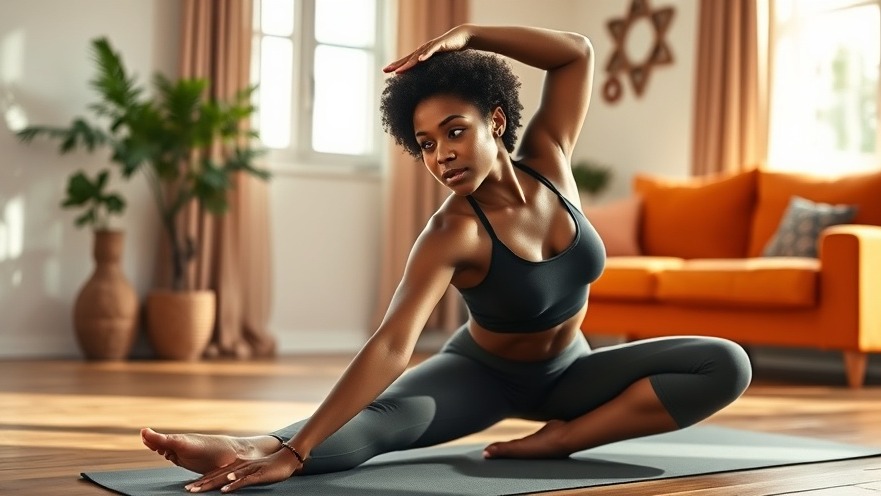
Young Black woman doing yoga bridge pose to relieve back pain indoors.


The Impact of Back Pain on Daily Life

Back pain is a common ailment that affects millions of people worldwide, often interfering with daily activities, work, and overall quality of life. Whether it's due to poor posture, sedentary lifestyles, or stress, the importance of addressing back pain cannot be underestimated. Engaging in simple, effective exercises can make a substantial difference in alleviating discomfort and promoting a healthier lifestyle.

Four Essential Yoga Moves to Soothe Back Pain

Yoga has long been heralded as an excellent method for strengthening and stretching muscles, particularly those responsible for supporting the spine. Here are four yoga moves recommended by experts for effectively managing back pain:

  • Cat-Cow Stretch: This gentle flow between two positions warms up the spine while easing tension. Start on all fours, alternate between arching your back up (Cat) and dipping it down while lifting your head (Cow) to create a gentle stretch.

  • Child’s Pose: Perfect for stretching the lower back, this pose promotes relaxation. Kneel on the floor and sit back on your heels, then bend forward, stretching your arms in front of you and resting your forehead on the ground.

  • Downward-Facing Dog: This inverted position stretches the spine and hamstrings, easing stiffness. From all fours, lift your hips up and back, creating an inverted V shape with your body.

  • Sphinx Pose: Ideal for strengthening the spine, this pose opens the heart and chest. Lie on your stomach and prop yourself up on your forearms, lifting your chest while keeping your hips grounded.

Real-Life Benefits of Yoga for Back Pain

Many individuals turn to yoga not just for physical relief but for mental clarity as well. Yoga practitioners report significant improvements in mood and stress levels, which indirectly contributes to pain relief by allowing them to manage stress more effectively. By incorporating these yoga moves into a daily routine, individuals may find themselves experiencing less tension not only in their back but throughout their entire body.

Future Trends in Pain Management: Integrating Yoga into Therapy

As awareness of holistic health continues to rise, more healthcare professionals are recommending yoga as part of a comprehensive pain management approach. This shift towards incorporating lifestyle changes, including mindfulness practices like yoga, signifies a move away from solely relying on medications for treatment. Emphasizing the value of physical activity, especially yoga's gentle approach, opens doors to sustainable recovery practices for many individuals suffering from chronic pain.

Common Misconceptions About Yoga and Back Pain

Despite its many benefits, there are misconceptions that yoga is either too easy to offer real benefit or too difficult for beginners. In reality, yoga can be tailored to all fitness levels and provides a safe space for individuals to listen to their bodies. Small, consistent practices can yield significant results over time, making yoga a fantastic tool for those looking to reduce back pain.

How to Implement These Yoga Moves Effectively

Begin with short, gentle sessions, dedicating just 10-15 minutes to practicing these moves a few times a week. As comfort increases, try to integrate other yoga practices or sessions to build strength and flexibility. Listening to your body and adapting moves to your comfort level is essential for a successful routine.

Taking proactive steps by incorporating these yoga practices can offer substantial relief for back pain. So, roll out your mat, take a deep breath, and let these gentle movements guide your path to comfort and wellness!


Wellness

0 Views

0 Comments

Write A Comment

*
*
Related Posts All Posts
02.27.2026

Examining Parenting Decisions and Mental Health: Insights from a Coffee Chat

Update The Freedom to Choose: Parenting Decisions in Today’s World In today’s fast-paced society, the decision to have children often comes with a multitude of factors influencing personal choice. Whether it’s career aspirations, financial stability, or personal desires, the question often shifts from 'Do I want kids?' to 'When is the right time for me?' This reflection is becoming increasingly common among young adults, primarily because many are focusing on personal growth and fulfillment before starting a family.In Q&A Coffee Chat: Do I want kids? What's my workout routine? Pet peeves? Anxiety?, the discussion dives into the nuanced decisions surrounding personal well-being and lifestyle choices, offering insights that merit further exploration. The Balancing Act: Managing Anxiety in Daily Life Anxiety is a topic that resonates with many people today, especially in a world where social media and constant connectivity can exacerbate feelings of stress. Learning to manage anxiety can enhance not just your mental well-being but also your overall lifestyle. Yoga has emerged as a valuable tool for many, offering not only physical benefits but also encouraging mindfulness and relaxation—a much-needed antidote to the chaos of modern living. Finding a Fitness Routine That Works for You Creating a personal workout routine can be daunting, especially with the plethora of exercise options available today. It's important to find what resonates with you—be it yoga, weightlifting, or high-intensity interval training (HIIT). Regular physical activity not only improves physical health but also supports mental clarity and emotional stability, crucial for navigating life’s complexities. Pet Peeves: What They Reveal About Us Interestingly, our pet peeves might reveal more about our personalities than we think. By reflecting on what irks us, we can gain insights into what we value most in life. For instance, frustration with disorganization might stem from a desire for control in an unpredictable world. Understanding these reactions can enhance self-awareness, ultimately leading to healthier interpersonal relationships. Creating Connections: The Importance of Open Communication As we navigate personal decisions from relationships to family planning, open communication remains critical. Engaging in honest conversations about our feelings, anxieties, and aspirations fosters deeper connections with those around us. This connection not only supports our own journey but also encourages others to express themselves, forging a supportive community. In Q&A Coffee Chat: Do I want kids? What's my workout routine? Pet peeves? Anxiety?, the discussion dives into the nuanced decisions surrounding personal well-being and lifestyle choices. The varied experiences shared serve as a springboard for deeper analysis on key themes around mental health, lifestyle choices, and the journey of self-discovery.

02.27.2026

Unlocking the Benefits of Hands-Free Yoga: A Modern Wellness Trend

Update Discovering Hands-Free Yoga: A Modern Approach to Mindfulness Yoga has long been cherished as an avenue for physical fitness and mental relaxation. However, the introduction of hands-free yoga practices ushers in a new realm of possibilities, particularly for individuals looking to engage with yoga in a more relaxed, adaptable way. In this article, we delve into the concept of hands-free yoga, explaining its benefits and how it can fit seamlessly into anyone's lifestyle.In "Mountain Flow - Hands Free Yoga Practice," the exploration into this innovative yoga approach sparks engaging insights about modern wellness. What is Hands-Free Yoga? Hands-free yoga is a practice that encourages individuals to explore their body's natural flow without the constraints of traditional poses that require specific hand involvement. This practice places an emphasis on personal comfort and competence, making it accessible to people of all fitness levels. It's a holistic approach that promotes mindfulness, allowing practitioners to focus on their movements and breaths without the distractions of complex positions. The Growing Trend of Adaptive Yoga Adaptive yoga practices, such as hands-free yoga, have been increasingly recognized for their ability to cater to a broad audience. From busy professionals seeking stress relief to seniors needing gentle movement, this inclusive form of yoga invites everyone to engage with their own body in a way that feels safe and empowering. This trend reflects a shift toward recognizing personal wellness in diverse forms, and hands-free yoga exemplifies this ideal. Benefits of Hands-Free Yoga For those interested in the benefits of yoga, hands-free yoga presents several appealing advantages. Firstly, it encourages bodily awareness and strengthens the mind-body connection without the risk of straining the hands or wrists. Practitioners can expect to experience improved flexibility, enhanced mood, and increased balance—all crucial elements for both physical fitness and mental well-being. How to Get Started with Hands-Free Yoga Getting started with hands-free yoga is simpler than you might think. Here are some practical tips: **Start with Guided Sessions:** Look for online classes or video tutorials which focus on hands-free practices. Many resources are available, including tutorials based on the principles discussed in the video "Mountain Flow - Hands Free Yoga Practice." **Listen to Your Body:** Pay attention to what feels comfortable and adjust movements to suit your personal abilities. Hold a pose as long as it feels beneficial, and don’t stress about perfection. **Use Props for Support:** If certain postures feel challenging, don’t hesitate to use yoga blocks or cushions for added support, which can help achieve comfortable alignment. The Emotional Connection: How Hands-Free Yoga Can Improve Mental Health The power of hands-free yoga extends beyond physical wellness; it also enhances mental health. This practice fosters a space for mindfulness that can lead to reduced anxiety and improved emotional regulation. Think of it as a gentle hug for your mind, where letting go is celebrated and encouraged. Various studies indicate that engaging in mindful practices can foster resilience, making hands-free yoga a valuable tool in personal wellness routines. Inspiration from Real People: Anecdotes of Change Many individuals have reported positive transformations since incorporating hands-free yoga into their lives. For instance, Sara, a working mother of two, started practicing hands-free yoga to alleviate stress and found it beneficial not only for her physical health but also for creating a tranquil environment she could return to at the end of her hectic day. Stories like Sara's emphasize the universal appeal of hands-free yoga and its potential to enhance everyday life. Get Inspired: Join the Movement If you've ever experimented with yoga, consider giving hands-free yoga a try. Its adaptive nature makes it perfect for anyone interested in the benefits of yoga, regardless of experience or fitness level. This modern approach opens the door to exploring new depths of self-care, bringing flexibility and mindfulness into our busy lives. Why not take a step today towards a more mindful you? With its emphasis on self-paced practices and mindful movement, hands-free yoga could be just what you need to navigate through life's challenges while embracing your unique wellness journey. If you’re intrigued by this gentle practice, check out resources and tutorials like the one from "Mountain Flow - Hands Free Yoga Practice" to see how you can incorporate it into your routine.

02.22.2026

Unlocking Wellness: The Magic of Pigeon Pose in Yoga

Update The Transformative Power of Pigeon Pose Yoga teacher Kassandra invites us to explore the transformative nature of pigeon pose in her latest class, “30 min Intermediate Vinyasa Yoga - Pigeon Pose Flow.” This delightful 30-minute session focuses on multiple variations of pigeon pose, offering an array of benefits from physical to emotional wellness. Whether you're a seasoned yogi or new to practice, there’s something in this exploration for everyone.In '30 min Intermediate Vinyasa Yoga - Pigeon Pose Flow,' Kassandra dives into the intricacies of this challenging yet rewarding pose, inspiring us to delve deeper into its many variations. Unpacking the Benefits of Pigeon Pose Pigeon pose, with its deep hip openers, is more than just a stretch; it’s a tool for unlocking both physical and emotional tension. Internally, it opens up the hips, hamstrings, and lower back, often areas where we store stress and tightness. Externally, it challenges our balance and core strength while enhancing flexibility. Kassandra’s variations, from flat reclined pigeon to the more dynamic flying pigeon, allow practitioners to find their own level of challenge and support personal growth. The Connection Between Body and Mind The beauty of yoga lies in its holistic approach to well-being. As Kassandra guides the class, she encourages participants to connect breath with movement, fostering a mindful practice. This connection helps in reducing stress and anxiety levels, contributing significantly to mental health. The various pigeon variations not only serve to enhance physical form but also allow practitioners space to release emotional burdens silently lodged within. Finding Balance and Strength Through Yoga As we engage in Kassandra’s pigeon flow, we are reminded of the importance of balance in our body—and in our lives. The process of shifting from one pose to another builds strength in the upper body and core, enabling participants to ground themselves physically while exploring their limits. Adding this balance into our routine could help cultivate resilience in daily life, reminding us that just as we strive for physical stability in pigeon pose, we can aim for a mental and emotional equilibrium off the mat. Tips to Enhance Your Pigeon Pose Experience For those looking to deepen their pigeon pose practice, Kassandra’s class offers practical insights: Consistency is Key: Regular practice can improve flexibility and balance over time. Listen to Your Body: Everyone’s body is different; modify the poses to suit your individual needs. Breath Awareness: Use your breath to create space in your body, allowing you to ease into the pose and root more deeply. These actionable tips can help transform your practice, making yoga a more integrated part of your lifestyle. Inspiration for New Practitioners If you’re hesitant about trying pigeon pose due to its reputation, take a cue from Kassandra’s encouraging words: “Let’s explore this pose and have fun!” The essence of yoga is personal growth, pushing past discomfort to embrace wellness. Newcomers should be reminded that each person’s journey is unique, and progress should be celebrated, however small. Why Joining Kassandra's Challenge is Worth It If you feel motivated to dive deeper into your yoga practice, Kassandra's 30-Day Yoga & Pilates Morning Challenge could be your next big step. Each morning brings new energy and challenges, designed to enhance your yoga journey. In summary, pigeon pose is a multifaceted pose that helps unlock our physical and emotional wellbeing. Exploring its variations offers not just a physical workout but also a pathway to mental clarity and emotional release. By dedicating time to our practice, we invest in a healthier, more balanced lifestyle.

Terms of Service

Privacy Policy

Core Modal Title

Sorry, no results found

You Might Find These Articles Interesting

T
Please Check Your Email
We Will Be Following Up Shortly
*
*
*