
Add Row
Add Element
cropper
update
Philly Fit Daily
update
Add Element
  • Home
  • Categories
    • Health
    • Wellness
    • Healthy Eating
    • Wellness Travel
    • Anti-Aging
    • Featured
    • Lifestyle
    • Body Fitness
    • Wellness Travel
March 06.2025
3 Minutes Read

Discover How I Naturally Improved My Eyesight and You Can Too

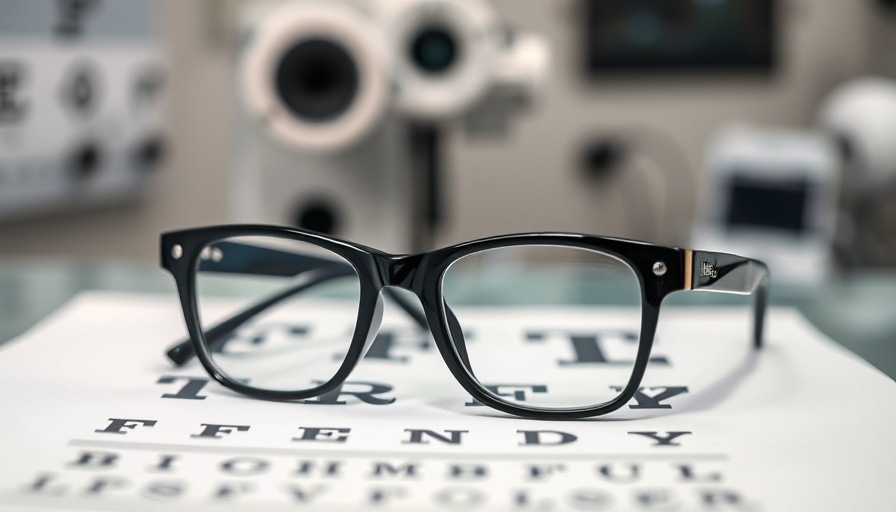
Glasses and eye chart symbolizing naturally improved eyesight.

Regaining Clarity: A Personal Journey to Better Eyesight

Improving your eyesight can often feel like a daunting task, especially when faced with the incessant advice of professionals and the overwhelming array of options available. Many people, including myself, have experienced struggles with their vision that prompted them to explore various alternatives. Over the past two years, I’ve undertaken a journey that allowed me to become more involved in my eye health and ultimately led to a significant improvement in my vision.

Understanding My Eye Journey

My eye issues began a couple of years ago when I started noticing discomfort in my vision. After numerous visits to conventional eye specialists—many of whom couldn’t pinpoint my problems—I decided to take matters into my own hands. A turning point came when I discovered a specialist who addressed my dry eyes with care and expertise. This was not just a simple matter of prescription updates; it was about reassessing my entire approach to eye health.

Nourishing My Eyes: The Power of Diet

One of the significant shifts in my routine was focusing on the nutritional aspects vital for eye health. According to experts, incorporating key vitamins such as A, C, and E—as well as minerals like zinc—helps to prevent macular degeneration, a common vision issue. I embraced foods rich in these nutrients, including colorful vegetables like carrots, spinach, and citrus fruits. Consistently eating these foods contributed to not only my overall health but also improved my eyesight.

Exercise: A Boost for Eye Health

Physical fitness plays a crucial role in maintaining eye health. It might seem surprising to some, but regular exercise can significantly reduce the risk of developing diabetes-related eye conditions. This link reinforced my motivation to stay active through walking and participating in activities I love. With time, the correlation between my general fitness and visual clarity became evident.

Using Protective Eyewear

Protection plays a vital role in eye health, and I became more aware of the importance of wearing sunglasses and protective eyewear during various activities. Whether I was outdoors on a sunny day or engaging in DIY projects, I recognized that shielding my eyes from damaging UV rays and hazards was non-negotiable.

Screen Time and Eye Strain Management

In today’s digital age, managing screen time is essential. Experts advocate for the 20-20-20 rule, which suggests taking a break every 20 minutes to look at something 20 feet away for 20 seconds. This practice became crucial in my daily routine, especially during work hours—allowing me to reduce eye strain and minimize discomfort caused by long hours in front of screens.

Spiritual Health: An Overlooked Component

Mental health is equally intertwined with physical well-being, including your eyesight. I made a deliberate effort to reduce stress through mindfulness practices and regular relaxation techniques. Engaging in yoga and meditation calmed my mind, which contributed to better overall health and provided a holistic approach to my vision issues.

A Prescription Improvement

During a routine visit to a new eye care provider, I received unexpected news—my glasses prescription had decreased for the first time since 6th grade! From -5.25 to -5.0, this minor adjustment felt like a monumental victory, validating my efforts and lifestyle changes.

The Road Ahead: Keeping My Eyes Healthy

Looking ahead, I prioritize regular eye exams, nutritional awareness, and managing screen time as fundamental to my ongoing vision health journey. I hope to inspire others to take small, actionable steps toward improving their eyesight and overall well-being. Consultation with healthcare providers is paramount, ensuring that while making personal changes, one also adheres to medical advice.

Ready to embark on your journey to eye health? Join my community for updates, tips, and insights into living a healthier, more fulfilling life!

Health

3 Views

0 Comments

Write A Comment

*
*
Please complete the captcha to submit your comment.
Related Posts All Posts
04.10.2026

Is Your Daily Diet Feeding Bad Bacteria? Discover the Truth!

Update The Hidden Impact of Everyday Foods on Gut Health Did you know that something as simple as your morning cereal could be secretly harming your gut health? In a world where we often prioritize convenience over nutrition, it’s essential to take a closer look at the foods we consume daily and understand how they affect our bodies. Unfortunately, many popular health foods contribute to the growth of harmful bacteria in our digestive systems.In 'This "Healthy" Food You Eat Daily Is Feeding Bad Bacteria,' the focus shifts to gut health and the foods that may inadvertently harm it, prompting us to explore essential insights regarding our dietary habits. Common Foods That May Feed Bad Bacteria If you’re captivated by the idea of healthy eating, you might be surprised to learn that some foods marketed as "wholesome" can actually have the opposite effect. Foods rich in sugar, refined carbohydrates, and artificial additives are common culprits. For instance, certain breakfast cereals often contain high levels of sugar, leading to an imbalance in gut bacteria. This imbalance might foster weight gain and a range of other health issues. Understanding Gut Bacteria: A Delicate Balance Our gut is home to trillions of bacteria, many of which are beneficial and essential for our digestive health. These good bacteria help break down food, synthesize vitamins, and protect against pathogens. However, the consumption of overly processed or sugary foods can proliferate harmful bacteria, disrupting this crucial balance. Why You Should Care About Gut Health Not only do our guts play a central role in digestion, but they also impact our overall health. A thriving gut microbiome can enhance immunity, improve mood, and even influence mental clarity. Conversely, an imbalanced gut may lead to conditions like inflammation, anxiety, or gastrointestinal distress. Understanding the foods that feed detrimental bacteria is essential for those interested in wellness, as it empowers us to make smarter dietary choices. Making Healthier Food Choices for Better Living If you’re concerned about your gut health, it’s time to rethink your grocery list. Opt for foods rich in prebiotics, such as bananas, onions, and garlic, which nourish beneficial gut bacteria. Fermented foods like yogurt and sauerkraut can also help restore your gut balance. By incorporating these nutritious foods into your diet, you can promote a healthier microbiome. Embracing a Balanced Diet: Practical Tips Let’s break down a few practical steps you can take to create a balanced diet for better gut health: Be mindful of sugar: Reduce your intake of added sugars found in many packaged foods. Choose whole grains: Swap refined grains for whole grains, which are full of fiber that benefits your gut. Hydrate well: Drinking water supports digestion and helps flush out toxins. Include diverse foods: Incorporate a variety of fruits, vegetables, and proteins for a well-rounded diet. Overcoming Misconceptions About Healthy Eating There’s a misconception that healthier options are tasteless or inconvenient. In reality, creating a balanced and enjoyable diet can be both fun and satisfying. Experiment with new recipes, explore different cuisines, and adjust your meals to include gut-friendly ingredients. By making cooking a shared experience, you can cultivate excitement and consciousness about what you eat. Final Thoughts: Take Control of Your Gut Health As we navigate our journey to better health, it’s vital to remain inquisitive about the food we consume. With every bite, we can either nourish our bodies or contribute to potential health issues. With this newfound awareness, let’s actively choose to support our gut health through informed food choices. Remember that making small changes can lead to significant improvements over time, setting the stage for a healthier future.

04.08.2026

Is Caffeine Sabotaging Your Wellness? Discover the Best Time to Drink Coffee!

Update Why Timing Matters: The Science Behind Coffee Consumption For many of us, a cup of coffee is the highlight of the morning. Brewing that first pot can set the tone for the entire day. Yet, new insights challenge us to reconsider not just how much coffee we drink, but when we indulge in our daily dose of caffeine. According to recent findings, the ideal time to drink coffee might not be when you first wake up. Here’s why timing matters in our coffee routine.In Never Drink Coffee at This Time, the discussion delves into the best times to enjoy coffee to maximize its benefits and minimize its drawbacks. These insights highlight the importance of mindful consumption and how small changes can lead to significant improvements in our daily wellness. The Cortisol Connection Our bodies have a natural rhythm governed by hormonal cycles, one of which involves cortisol—often referred to as the "stress hormone." Cortisol levels fluctuate throughout the day, peaking naturally between 8 am and 9 am. Drinking coffee during this peak period could reduce its stimulating effects. Instead of getting the energy boost we often seek, we might just be masking our body’s natural alertness. A better approach? Aim to sip that coffee post-10 am, when cortisol levels begin to decline, allowing caffeine to truly work its magic and enhance your alertness. Listen to Your Body: Finding Your Optimal Time Each body is unique, and so is its response to caffeine. It's essential to listen to your own signals. Some people may find that their ideal coffee time is later in the morning, while others may need a little pick-me-up in the early afternoon. Consider keeping a log for a week, noting how you feel after consuming coffee at different times. Tailoring your coffee consumption to your own energy levels can lead to a more satisfying experience. Alternatives to Coffee: Broaden Your Beverage Choices If you’re someone who craves more than just caffeine, exploring alternatives can be beneficial. Herbal teas, matcha, and even golden milk can provide a gentler form of energy. Each of these beverages comes with its unique health benefits and can often be enjoyed at any time of day without affecting your natural rhythm. The Impact on Sleep: A Future Perspective Looking ahead, consider how your coffee habits impact your sleep. According to health experts, consuming caffeine too late in the day can wreak havoc on your sleep schedule, leading to a perpetual cycle of fatigue and reliance on more caffeine. By strategically choosing when to enjoy your coffee, you have the power to break free from the sleep-caffeine treadmill and promote better overall health. Final Thoughts: Make Conscious Choices Ultimately, the way we enjoy coffee should align with our lifestyle and personal preferences. By recognizing the science behind coffee consumption and understanding the nuances of our body's responses, we can make informed choices. Whether you’re a devoted coffee drinker or just dabbling, be mindful of the timing—it could just change your relationship with this beloved beverage forever. In Never Drink Coffee at This Time, the discussion delves into the best times to enjoy coffee to maximize its benefits and minimize its drawbacks. These insights highlight the importance of mindful consumption and how small changes can lead to significant improvements in our daily wellness.

04.05.2026

Your Body’s Asking For Help: 7 Symptoms You Must Not Ignore

Update Listen to Your Body: Essential Symptoms You Shouldn't Ignore Every day, our bodies send us signals, often subtle, that indicate when something is amiss. Ignoring these symptoms can lead to larger health issues down the line. In our fast-paced lives, it can be easy to brush off discomfort or fatigue as just a part of our daily routine. However, understanding what these signals mean can empower us to take charge of our health.In 'Your body's asking for help—these 7 symptoms shouldn't be ignored,' we explore essential health signals to consider, prompting us to delve deeper into this crucial topic. Understanding Common Symptoms Some symptoms are so commonplace that we might not recognize them as signals that warrant attention. For example, persistent fatigue that doesn’t improve even after a good night’s sleep could suggest something more serious, such as anemia or thyroid issues. Similarly, if you find yourself frequently feeling out of breath after minimal exertion, it might be time to consult a healthcare professional. Building a Strong Connection with Your Body Note how your body reacts to different foods, activities, and stressors. Keeping a simple journal can enhance your awareness. Not only does this help in recognizing patterns, but it also serves as a valuable tool when discussing your symptoms with your healthcare provider. It's about harnessing the power of observation to better communicate your needs. Empowering Yourself Through Knowledge Understanding potential health complications from seemingly benign symptoms can be enlightening. For example, if you're experiencing unusual weight changes, it could indicate metabolic or hormonal issues, while frequent headaches could be linked to dehydration or even more serious conditions like hypertension. Educating yourself about these symptoms can empower you to seek appropriate care. Cultural Perspectives on Health and Wellness In many cultures, listening to the body is a fundamental principle of health and wellness. Traditional practices often emphasize a connection between the mind, body, and spirit, encouraging proactive approaches to health. By embracing these principles, we can foster a more holistic understanding of our health, going beyond just physical symptoms and embracing mental and emotional well-being. Actionable Insights: What to Do Next The next time you experience persistent or severe symptoms, take a moment to assess your overall health. Remember, addressing concerns early can lead to better outcomes. Don't hesitate to reach out to a healthcare professional. They can help interpret these signals and provide the necessary support or treatment. Feeling Well: A Shared Journey Health is a shared journey—talk to friends and family about their health experiences. They might reveal symptoms they have experienced that others have dismissed. This can build a supportive community where everyone encourages one another to prioritize health and well-being. Inspiration to Take Charge of Your Health Remember that your health is a precious resource. Prioritizing self-care and being mindful of your body’s signals can set you on a path to a healthier, more vibrant life. As health advocate and author Dr. Mark Hyman once said, "Just because you’re not visibly sick doesn’t mean you’re healthy." So let’s listen to our bodies and be proactive in our health journeys.

Terms of Service

Privacy Policy

Core Modal Title

Sorry, no results found

You Might Find These Articles Interesting

T
Please Check Your Email
We Will Be Following Up Shortly
*
*
*