
Add Row
Add Element
cropper
update
Philly Fit Daily
update
Add Element
  • Home
  • Categories
    • Health
    • Wellness
    • Healthy Eating
    • Wellness Travel
    • Anti-Aging
    • Featured
    • Lifestyle
    • Body Fitness
    • Wellness Travel
4 Minutes Read

High-Protein Fiber Foods You Should Be Eating

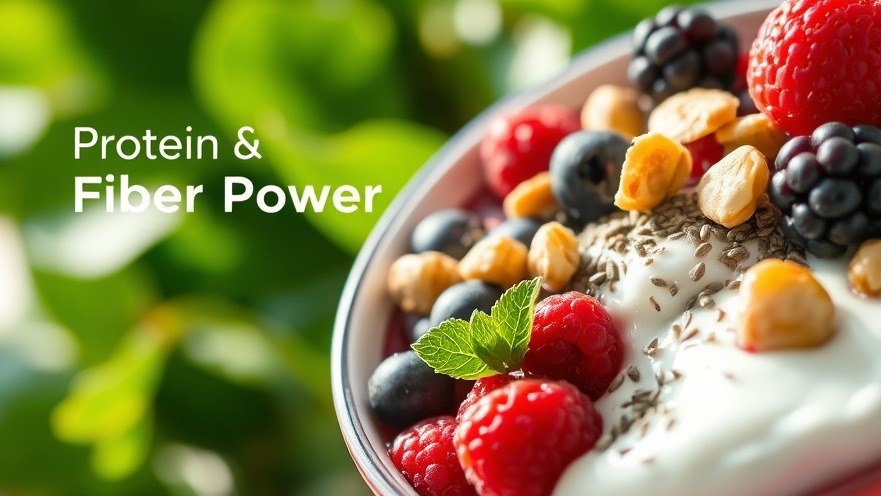
Healthy breakfast bowl of Greek yogurt, berries, and nuts showcasing Protein Fiber Power.


Underrated High-Protein Fiber Foods: The Nutritional Powerhouses You Should Be Eating

In a world obsessed with protein powders and supplements, many whole foods that naturally combine both protein and fiber are often overlooked. These nutritional dynamos offer the perfect combination for sustainable energy, weight management, and overall health. As a nutritional expert and dietitian, I'm excited to highlight these underappreciated foods that deserve a place in your regular meal rotation.

Why the Protein-Fiber Combination Matters

Before diving into specific foods, it's worth understanding why this combination is so valuable:

  • Sustained Energy: Protein takes longer to digest than carbohydrates, while fiber slows digestion even further. Together, they provide steady energy without spikes and crashes.

  • Enhanced Satiety: This powerful duo keeps you feeling full longer, naturally supporting weight management goals.

  • Digestive Health: Fiber feeds beneficial gut bacteria, supporting your microbiome while protein helps repair and maintain the gut lining.

  • Blood Sugar Regulation: The combination helps prevent rapid blood sugar fluctuations, beneficial for metabolic health.

Top Underrated High-Protein Fiber Foods

1. Tempeh

While tofu gets most of the spotlight, tempeh delivers more nutritional bang for your buck. This fermented soybean product contains about 19 grams of protein and 10 grams of fiber per cup. The fermentation process makes nutrients more bioavailable and creates a nutty, earthy flavor that many prefer over tofu's blandness.

How to use it: Marinate and grill tempeh slices for sandwiches, crumble into stir-fries, or use as a meat substitute in tacos.

2. Lupini Beans

These ancient legumes from the Mediterranean region pack an impressive 26 grams of protein and 4.6 grams of fiber per cup. With one of the highest protein-to-carbohydrate ratios among plant foods, lupini beans deserve far more recognition.

How to use them: Add to salads, make lupini bean hummus, or enjoy them marinated as a snack.

3. Split Peas

Often relegated to split pea soup, these humble legumes contain 16 grams of protein and 16 grams of fiber per cooked cup. Their versatility extends far beyond traditional soup.

How to use them: Make split pea dal, add to grain bowls, or puree into spreads and dips.

4. Black Soybeans

With 22 grams of protein and 15 grams of fiber per cup, black soybeans outperform both black beans and regular soybeans nutritionally. They also contain less starch than traditional black beans.

How to use them: Substitute for black beans in any recipe for a protein boost, from burritos to bean salads.

5. Pumpkin Seeds

These often-discarded seeds contain 12 grams of protein and 5 grams of fiber per cup, plus significant amounts of magnesium, zinc, and healthy fats.

How to use them: Roast with spices for snacking, add to granola, or sprinkle over salads and soups.

6. Sprouted Grain Bread

Unlike conventional bread, sprouted grain varieties contain complete proteins (containing all essential amino acids) and more available fiber. A typical slice contains 5-6 grams of protein and 3-4 grams of fiber.

How to use it: Make open-faced sandwiches topped with avocado and eggs, or use for heartier toast options.

7. Green Peas

Often mistaken as a simple vegetable side dish, green peas pack 8 grams of protein and 8 grams of fiber per cup. They're also rich in vitamins A, C, and various B vitamins.

How to use them: Blend into pestos, add to grain dishes, or mash with herbs as a side dish.

8. Amaranth

This ancient grain contains 9 grams of protein and 5 grams of fiber per cooked cup, making it more protein-rich than most other grains. It's also gluten-free and contains lysine, an amino acid often missing in other grains.

How to use it: Cook as a breakfast porridge, pop like popcorn for a crunchy topping, or use in grain bowls.

9. Wild Rice

Not actually rice but an aquatic grass seed, wild rice contains 7 grams of protein and 3 grams of fiber per cooked cup, plus impressive amounts of B vitamins and minerals.

How to use it: Mix with other grains for pilafs, add to soups, or use as a base for grain bowls.

10. Hemp Hearts

These nutritional gems deliver 10 grams of protein and 3 grams of fiber per 3 tablespoons, along with omega-3 fatty acids and numerous minerals.

How to use them: Sprinkle on yogurt or oatmeal, blend into smoothies, or incorporate into homemade energy bars.

Incorporating These Foods Into Your Diet

Practical Tips:

  1. Start gradually: Introduce one new high-fiber food at a time to allow your digestive system to adjust.

  2. Stay hydrated: Fiber works best when accompanied by adequate water intake.

  3. Batch prep: Cook larger portions of legumes and grains to use throughout the week.

  4. Create blends: Mix familiar foods with new ones—for example, combine wild rice with white rice as a transition.

  5. Focus on flavor: Use herbs, spices, and healthy fats to make these nutritional powerhouses delicious.

Sample Meal Ideas:

Breakfast: Amaranth porridge topped with hemp hearts, berries, and a dollop of Greek yogurt

Lunch: Sprouted grain wrap with hummus, vegetables, and tempeh slices

Dinner: Wild rice pilaf with roasted vegetables, black soybeans, and pumpkin seeds

Snack: Roasted lupini beans with herbs and spices

Conclusion

By incorporating these underrated protein-fiber combinations into your diet, you'll not only diversify your nutrient intake but also support long-term health goals. These foods prove that sometimes the most nutritionally dense options aren't the ones getting all the attention in health magazines or social media. Simple, whole foods can deliver exceptional nutritional benefits when we know where to look.

Remember that sustainable dietary changes happen gradually. Start by introducing one or two of these foods into your regular rotation, and build from there. Your body—and especially your digestive system—will thank you for the balanced approach to protein and fiber intake.


Health

11 Views

0 Comments

Write A Comment

*
*
Related Posts All Posts
03.02.2026

Is Your Pain a Detox Problem? Understanding the Connection

Update Understanding Detox and Its Impact on Our Bodies Detoxification is a term that is often tossed around in the health community, but it’s essential to understand what it truly means. Detoxification refers to the body’s natural process of eliminating toxins, substances that can harm our health. While our bodies are equipped to handle many toxins, an overload can lead to various issues, including fatigue, headaches, and even chronic pain. Interestingly, if you’ve been feeling unusually sluggish or experiencing nagging discomfort, these symptoms might be your body’s way of signaling that it needs a little help in the detox department.In 'Your Pain Might Be a Detox Problem,' the discussion dives into the crucial connection between detoxification and our well-being, exploring key insights that sparked deeper analysis on our end. Your Pain: A Window into Your Health Many people misinterpret pain as merely a hindrance to their daily routine, ignoring it or suppressing it with quick fixes like pain relief medication. However, persistent pain could be a message from your body, hinting that it’s time to pay attention to your detox pathways. As we navigate our fast-paced lives, the accumulation of toxins can lead to elevated stress levels, poor eating habits, and lack of physical activity, creating a perfect storm for chronic pain and fatigue. Common Signs of Poor Detoxification Recognizing the signs of poor detoxification can empower you to take charge of your health. Common indicators include: Fatigue that persists even after ample rest Skin issues like breakouts or rashes Digestive disturbances such as bloating or constipation Frequent headaches or migraines Joint pain or muscle aches If any of these resonate with you, it might be time to reflect on your lifestyle choices. Practical Steps to Support Your Detox Process Incorporating small changes in your routine can make a significant difference. Here are three actionable tips to kickstart your detox journey: Hydrate: Water is essential for flushing out toxins. Aim for at least 8 glasses a day, and consider adding lemon for an extra detox boost. Embrace Nutrition: A diet rich in fruits, vegetables, whole grains, and lean proteins can support your liver, the body’s primary detox organ. Foods like cruciferous vegetables and antioxidant-rich berries are particularly beneficial. Stay Active: Regular physical activity enhances circulation and helps the body eliminate waste. Aim for a balance of cardio and strength training to keep your body functioning optimally. Future Perspectives on Detox Trends As wellness trends evolve, there’s a growing emphasis on holistic and sustainable approaches to detoxification. Rather than seeking extreme detox diets or quick fixes, many are advocating for a continuous lifestyle shift that prioritizes overall health. This means integrating detoxification into daily habits, rather than viewing it as a one-time event. Expect to see more people recognizing the importance of listening to their bodies and embracing practices that nurture their health in the long run. Community: Your Support System Engaging with a community that shares similar health goals can be incredibly motivating. Whether it’s through local health groups or online platforms, sharing experiences and tips can empower you to stay committed to your detox journey. After all, health is best pursued in a supportive environment! Don’t Ignore the Signs! If you're experiencing persistent discomfort, consider reflecting on your lifestyle choices and the potential role of detoxification. By understanding your body and addressing these challenges head-on, you can reclaim your health and wellness.

03.02.2026

Unlocking Your Health: Warning Signs from Heavy Periods and Anemia

Update Understanding Heavy Periods, Anemia, and Fibroids For many women, heavy periods are not just an inconvenience; they can signal deeper underlying health issues that need attention. In examining the video titled 3 Warning Signs Your Heavy Periods, Anemia, and Fibroids Are Telling You, we uncover the critical signs that our bodies communicate to us regarding menstrual health. This article delves into how heavy periods can interconnect with anemia and fibroids, beckoning us to listen to these vital signals and take charge of our health.In 3 Warning Signs Your Heavy Periods, Anemia, and Fibroids Are Telling You, the discussion dives into critical health insights, prompting deeper analysis and actionable advice. The Relationship Between Heavy Periods and Anemia Heavy menstrual bleeding, or menorrhagia, is a common issue that can lead to anemia, a condition where you lack enough healthy red blood cells to carry adequate oxygen to your body's tissues. Anemia can lead to critical fatigue, weakness, and a range of other symptoms. Therefore, recognizing if heavy periods lead to anemia can be life-changing. Some studies suggest that many women may not even realize they’re anemic until they experience severe symptoms. Being vigilant and proactive about tracking your menstrual health can enable early detection and treatment. What Are Fibroids and How Do They Relate? Fibroids are non-cancerous growths in the uterus that can affect a woman's periods significantly. While many women experience little to no symptoms, those with larger fibroids or multiple fibroids can suffer from heavy bleeding, prolonged menstrual periods, and pelvic pain. If you notice heavy bleeding combined with sharp or persistent pain, it might be advisable to consult with a healthcare professional. Historical Context: Learning From Our Mothers Many women feel intimidated when discussing menstrual health, often overshadowed by stigma that dates back generations. Women traditionally passed down tales of heavy periods and fibroids in whispers, sometimes causing younger generations to accept discomfort as 'normal.' Recognizing these conversations helps break the cycle, urging women to seek help instead of suffering in silence. Remember, it’s okay to talk about periods and the discomfort they may bring. Future Predictions: Increased Awareness and Health Trends As society becomes more health-conscious, there’s an expected rise in awareness regarding women’s reproductive health. With growing digital platforms and resources, more women are accessing knowledge about symptoms like heavy periods and their connections to conditions like anemia and fibroids. This increased awareness may lead to more women seeking preventive care and shared experiences in discussions online. Steps to Take Control of Your Health To mitigate the risks associated with heavy periods, consider the following actionable insights: 1) Keep a detailed menstrual diary to track your cycle, flow, and any pain experienced. This documentation can help your healthcare provider identify patterns. 2) Maintain a balanced diet rich in iron and vitamins to combat potential anemia. Foods like leafy greens, beans, and red meat are valuable. 3) Consult healthcare professionals for regular check-ups, especially if symptoms worsen. Early detection is critical. Common Misconceptions: Periods Should Hurt A prevalent misconception is that menstrual pain and excessive bleeding are natural and should be tolerated. In reality, while some discomfort is common, severe symptoms can indicate serious health issues. Don't allow societal norms to silence you; your comfort and health are paramount. In conclusion, being attentive to the symptoms of heavy periods, anemia, and fibroids is not just about maintaining comfort but about safeguarding overall health. By recognizing these warning signs and understanding their connections, women can take proactive steps towards wellness. Listen to your body—it speaks volumes.

02.28.2026

Are You Ignoring Critical Detox Warning Signs? Discover How to Respond!

Update Understanding the Signs of Detoxification In our fast-paced lives, we often overlook subtle cues from our bodies, particularly those that hint at the need for detoxification. The video "Are You Ignoring Detox Warning Signs?" sheds light on critical signals that might indicate the need for a cleanse. Understanding these signs is essential for maintaining our overall well-being and ensuring that our bodies are functioning optimally.The video 'Are You Ignoring Detox Warning Signs?' provides important insights into recognizing when your body needs support in removing toxins, prompting deeper reflection on how we can respond effectively. Common Warning Signs You Shouldn't Ignore People often dismiss symptoms like fatigue, headaches, or digestive issues as everyday discomforts. However, these can be signs that your body is overwhelmed by toxins. Fatigue might mean your body is struggling to filter out impurities, while persistent headaches can signal dehydration or toxicity. Recognizing these symptoms early can be the first step towards rejuvenation and vitality. The Importance of Detoxification Detoxification isn't just a trendy term; it's a crucial aspect of health that shouldn't be ignored. Our bodies naturally work to rid themselves of toxins, but modern-day exposures make it increasingly challenging. Pollution, processed foods, and stress all contribute to toxin accumulation. Detoxing can help your body reset by giving your liver and kidneys a break and sparking a return to balanced physical health. Email vs. Physical Signals Interestingly, many people overlook emotional and mental health signals too. Increased anxiety or mood swings may also suggest that your body requires a detox. Stress and unhealthy eating habits can affect your mental clarity and emotional stability. Recognizing these emotional connections can lead to a holistic approach to your health. Seeking Help and Resources When noticing these signals, consider consulting a health professional. They can provide personalized advice on detox strategies suitable for your body type and lifestyle. Whether it's adjusting your diet to include more whole foods or engaging in regular exercise, proactive steps can be transformative. Detoxing Naturally: Simple Practices If you're curious about natural detox methods, incorporating practices such as hydration, intermittent fasting, and consuming detoxifying foods can be beneficial. Foods rich in antioxidants, like berries and leafy greens, can aid your body's natural processes. Moreover, staying hydrated helps flush out toxins, making it a simple yet effective practice. Taking the First Step Towards Wellness Embarking on a detox doesn't have to feel overwhelming. Start by tuning in to your body's signals and making small changes. Whether it’s drinking more water, adding a smoothie packed with greens to your breakfast, or simply giving yourself some time to relax and recharge, each step counts. Remember, self-care is essential, and acknowledging when your body needs a break is a powerful skill to cultivate. In considering detox warning signs, it's crucial to take your body's signals seriously. The video "Are You Ignoring Detox Warning Signs?" presents vital insights into understanding these messages and taking proactive steps towards a healthier lifestyle.

Terms of Service

Privacy Policy

Core Modal Title

Sorry, no results found

You Might Find These Articles Interesting

T
Please Check Your Email
We Will Be Following Up Shortly
*
*
*