
Add Row
Add Element
cropper
update
Philly Fit Daily
update
Add Element
  • Home
  • Categories
    • Health
    • Wellness
    • Healthy Eating
    • Wellness Travel
    • Anti-Aging
    • Featured
    • Lifestyle
    • Body Fitness
    • Wellness Travel
October 01.2025
3 Minutes Read

Test Your Posture: Unlock Wellness Through Better Body Alignment

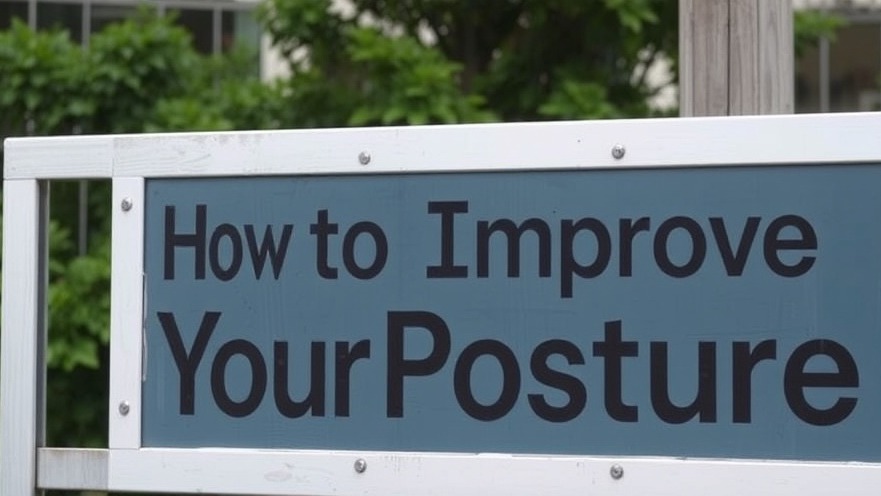
How to Improve Your Posture: Essential Posture Check Tips for Health Benefits


Why Posture Matters More Than You Think

Many of us go about our daily activities without giving much thought to our posture. However, the way you hold your body can significantly impact your physical health and overall well-being. Good posture can improve your mood, increase your energy levels, and even boost your confidence. It's not just about looking proper; it relates deeply to how your body feels and functions. In fact, postural issues are a common contributing factor to chronic pain, tension, and fatigue.


In 'Test Your Posture,' the discussion dives into health and wellness through proper body alignment, exploring key insights that sparked deeper analysis on our end.

Common Effects of Poor Posture

When we slouch or hunch over devices, we not only develop physical discomfort, but we also set ourselves up for long-term issues. Poor posture can lead to problems such as:

  • Neck pain: Slouching can put pressure on your neck, causing discomfort that may radiate into your shoulders.

  • Back pain: Misalignment caused by poor posture can lead to discomfort in your spine.

  • Headaches: Tension in the neck and shoulders can often trigger migraine or tension headaches.

  • Decreased lung capacity: Slumping can restrict your lung's ability to expand, impacting your breathing efficiency.

How to Check Your Posture

Performing a simple posture check can provide valuable insights into your body mechanics. Stand against a wall, ensuring that your heels, buttocks, and shoulders touch the wall. Your head should also be against the wall. If you see space between your lower back and the wall, that’s an indication of poor posture. Adjusting to a more neutral spine can alleviate some of the discomfort associated with a sedentary lifestyle.

Practical Tips for Improving Posture

Here are some effective strategies to naturally enhance your posture throughout the day:

  • Strengthening Exercises: Incorporate exercises that target your core and upper back, like planks and rows. Having a strong core supports better posture.

  • Frequent Breaks: If working at a desk, ensure you stand, stretch, and walk around every hour to reduce tension.

  • Mindfulness and Awareness: Being conscious of your posture when you sit, stand, or walk encourages better habits. Keeping a reminder in your workspace can aid your transition.

Embracing Healthy Changes for a Better Posture

Establishing a daily routine that includes posture checks and strength training can transform your overall health. Not only will adopting improved posture help you feel better physically, but it can also uplift your mood and confidence. Consider engaging in activities like yoga, Pilates, or even dance, which emphasize aligning your body and activating your body's natural strengths.

Perception and Well-being: The Emotional Angle

Remember, your posture can influence how others perceive you—standing tall can change a first impression. Additionally, being aware of your posture connects you to your body and feelings. People often overlook how minor adjustments make significant differences in their physical and emotional states.

Take Action Now!

Take a moment today to evaluate your posture. Remember, it’s never too late to make a difference in how your body feels and performs. Start small with a few of the tips mentioned and feel the transformation. You’ll be amazed at how making conscious efforts toward good posture can revitalize your daily life.

Your body deserves attention and care, and improved posture is a vital step towards a healthier lifestyle. Embrace the journey to wellness by prioritizing how you carry yourself daily.


Wellness

18 Views

0 Comments

Write A Comment

*
*
Related Posts All Posts
02.27.2026

Examining Parenting Decisions and Mental Health: Insights from a Coffee Chat

Update The Freedom to Choose: Parenting Decisions in Today’s World In today’s fast-paced society, the decision to have children often comes with a multitude of factors influencing personal choice. Whether it’s career aspirations, financial stability, or personal desires, the question often shifts from 'Do I want kids?' to 'When is the right time for me?' This reflection is becoming increasingly common among young adults, primarily because many are focusing on personal growth and fulfillment before starting a family.In Q&A Coffee Chat: Do I want kids? What's my workout routine? Pet peeves? Anxiety?, the discussion dives into the nuanced decisions surrounding personal well-being and lifestyle choices, offering insights that merit further exploration. The Balancing Act: Managing Anxiety in Daily Life Anxiety is a topic that resonates with many people today, especially in a world where social media and constant connectivity can exacerbate feelings of stress. Learning to manage anxiety can enhance not just your mental well-being but also your overall lifestyle. Yoga has emerged as a valuable tool for many, offering not only physical benefits but also encouraging mindfulness and relaxation—a much-needed antidote to the chaos of modern living. Finding a Fitness Routine That Works for You Creating a personal workout routine can be daunting, especially with the plethora of exercise options available today. It's important to find what resonates with you—be it yoga, weightlifting, or high-intensity interval training (HIIT). Regular physical activity not only improves physical health but also supports mental clarity and emotional stability, crucial for navigating life’s complexities. Pet Peeves: What They Reveal About Us Interestingly, our pet peeves might reveal more about our personalities than we think. By reflecting on what irks us, we can gain insights into what we value most in life. For instance, frustration with disorganization might stem from a desire for control in an unpredictable world. Understanding these reactions can enhance self-awareness, ultimately leading to healthier interpersonal relationships. Creating Connections: The Importance of Open Communication As we navigate personal decisions from relationships to family planning, open communication remains critical. Engaging in honest conversations about our feelings, anxieties, and aspirations fosters deeper connections with those around us. This connection not only supports our own journey but also encourages others to express themselves, forging a supportive community. In Q&A Coffee Chat: Do I want kids? What's my workout routine? Pet peeves? Anxiety?, the discussion dives into the nuanced decisions surrounding personal well-being and lifestyle choices. The varied experiences shared serve as a springboard for deeper analysis on key themes around mental health, lifestyle choices, and the journey of self-discovery.

02.27.2026

Unlocking the Benefits of Hands-Free Yoga: A Modern Wellness Trend

Update Discovering Hands-Free Yoga: A Modern Approach to Mindfulness Yoga has long been cherished as an avenue for physical fitness and mental relaxation. However, the introduction of hands-free yoga practices ushers in a new realm of possibilities, particularly for individuals looking to engage with yoga in a more relaxed, adaptable way. In this article, we delve into the concept of hands-free yoga, explaining its benefits and how it can fit seamlessly into anyone's lifestyle.In "Mountain Flow - Hands Free Yoga Practice," the exploration into this innovative yoga approach sparks engaging insights about modern wellness. What is Hands-Free Yoga? Hands-free yoga is a practice that encourages individuals to explore their body's natural flow without the constraints of traditional poses that require specific hand involvement. This practice places an emphasis on personal comfort and competence, making it accessible to people of all fitness levels. It's a holistic approach that promotes mindfulness, allowing practitioners to focus on their movements and breaths without the distractions of complex positions. The Growing Trend of Adaptive Yoga Adaptive yoga practices, such as hands-free yoga, have been increasingly recognized for their ability to cater to a broad audience. From busy professionals seeking stress relief to seniors needing gentle movement, this inclusive form of yoga invites everyone to engage with their own body in a way that feels safe and empowering. This trend reflects a shift toward recognizing personal wellness in diverse forms, and hands-free yoga exemplifies this ideal. Benefits of Hands-Free Yoga For those interested in the benefits of yoga, hands-free yoga presents several appealing advantages. Firstly, it encourages bodily awareness and strengthens the mind-body connection without the risk of straining the hands or wrists. Practitioners can expect to experience improved flexibility, enhanced mood, and increased balance—all crucial elements for both physical fitness and mental well-being. How to Get Started with Hands-Free Yoga Getting started with hands-free yoga is simpler than you might think. Here are some practical tips: **Start with Guided Sessions:** Look for online classes or video tutorials which focus on hands-free practices. Many resources are available, including tutorials based on the principles discussed in the video "Mountain Flow - Hands Free Yoga Practice." **Listen to Your Body:** Pay attention to what feels comfortable and adjust movements to suit your personal abilities. Hold a pose as long as it feels beneficial, and don’t stress about perfection. **Use Props for Support:** If certain postures feel challenging, don’t hesitate to use yoga blocks or cushions for added support, which can help achieve comfortable alignment. The Emotional Connection: How Hands-Free Yoga Can Improve Mental Health The power of hands-free yoga extends beyond physical wellness; it also enhances mental health. This practice fosters a space for mindfulness that can lead to reduced anxiety and improved emotional regulation. Think of it as a gentle hug for your mind, where letting go is celebrated and encouraged. Various studies indicate that engaging in mindful practices can foster resilience, making hands-free yoga a valuable tool in personal wellness routines. Inspiration from Real People: Anecdotes of Change Many individuals have reported positive transformations since incorporating hands-free yoga into their lives. For instance, Sara, a working mother of two, started practicing hands-free yoga to alleviate stress and found it beneficial not only for her physical health but also for creating a tranquil environment she could return to at the end of her hectic day. Stories like Sara's emphasize the universal appeal of hands-free yoga and its potential to enhance everyday life. Get Inspired: Join the Movement If you've ever experimented with yoga, consider giving hands-free yoga a try. Its adaptive nature makes it perfect for anyone interested in the benefits of yoga, regardless of experience or fitness level. This modern approach opens the door to exploring new depths of self-care, bringing flexibility and mindfulness into our busy lives. Why not take a step today towards a more mindful you? With its emphasis on self-paced practices and mindful movement, hands-free yoga could be just what you need to navigate through life's challenges while embracing your unique wellness journey. If you’re intrigued by this gentle practice, check out resources and tutorials like the one from "Mountain Flow - Hands Free Yoga Practice" to see how you can incorporate it into your routine.

02.22.2026

Unlocking Wellness: The Magic of Pigeon Pose in Yoga

Update The Transformative Power of Pigeon Pose Yoga teacher Kassandra invites us to explore the transformative nature of pigeon pose in her latest class, “30 min Intermediate Vinyasa Yoga - Pigeon Pose Flow.” This delightful 30-minute session focuses on multiple variations of pigeon pose, offering an array of benefits from physical to emotional wellness. Whether you're a seasoned yogi or new to practice, there’s something in this exploration for everyone.In '30 min Intermediate Vinyasa Yoga - Pigeon Pose Flow,' Kassandra dives into the intricacies of this challenging yet rewarding pose, inspiring us to delve deeper into its many variations. Unpacking the Benefits of Pigeon Pose Pigeon pose, with its deep hip openers, is more than just a stretch; it’s a tool for unlocking both physical and emotional tension. Internally, it opens up the hips, hamstrings, and lower back, often areas where we store stress and tightness. Externally, it challenges our balance and core strength while enhancing flexibility. Kassandra’s variations, from flat reclined pigeon to the more dynamic flying pigeon, allow practitioners to find their own level of challenge and support personal growth. The Connection Between Body and Mind The beauty of yoga lies in its holistic approach to well-being. As Kassandra guides the class, she encourages participants to connect breath with movement, fostering a mindful practice. This connection helps in reducing stress and anxiety levels, contributing significantly to mental health. The various pigeon variations not only serve to enhance physical form but also allow practitioners space to release emotional burdens silently lodged within. Finding Balance and Strength Through Yoga As we engage in Kassandra’s pigeon flow, we are reminded of the importance of balance in our body—and in our lives. The process of shifting from one pose to another builds strength in the upper body and core, enabling participants to ground themselves physically while exploring their limits. Adding this balance into our routine could help cultivate resilience in daily life, reminding us that just as we strive for physical stability in pigeon pose, we can aim for a mental and emotional equilibrium off the mat. Tips to Enhance Your Pigeon Pose Experience For those looking to deepen their pigeon pose practice, Kassandra’s class offers practical insights: Consistency is Key: Regular practice can improve flexibility and balance over time. Listen to Your Body: Everyone’s body is different; modify the poses to suit your individual needs. Breath Awareness: Use your breath to create space in your body, allowing you to ease into the pose and root more deeply. These actionable tips can help transform your practice, making yoga a more integrated part of your lifestyle. Inspiration for New Practitioners If you’re hesitant about trying pigeon pose due to its reputation, take a cue from Kassandra’s encouraging words: “Let’s explore this pose and have fun!” The essence of yoga is personal growth, pushing past discomfort to embrace wellness. Newcomers should be reminded that each person’s journey is unique, and progress should be celebrated, however small. Why Joining Kassandra's Challenge is Worth It If you feel motivated to dive deeper into your yoga practice, Kassandra's 30-Day Yoga & Pilates Morning Challenge could be your next big step. Each morning brings new energy and challenges, designed to enhance your yoga journey. In summary, pigeon pose is a multifaceted pose that helps unlock our physical and emotional wellbeing. Exploring its variations offers not just a physical workout but also a pathway to mental clarity and emotional release. By dedicating time to our practice, we invest in a healthier, more balanced lifestyle.

Terms of Service

Privacy Policy

Core Modal Title

Sorry, no results found

You Might Find These Articles Interesting

T
Please Check Your Email
We Will Be Following Up Shortly
*
*
*