
Add Row
Add Element
cropper
update
Philly Fit Daily
update
Add Element
  • Home
  • Categories
    • Health
    • Wellness
    • Healthy Eating
    • Wellness Travel
    • Anti-Aging
    • Featured
    • Lifestyle
    • Body Fitness
    • Wellness Travel
July 05.2025
3 Minutes Read

The Hidden Risks of Supplements: Why Folic Acid and Vitamin A May Harm You

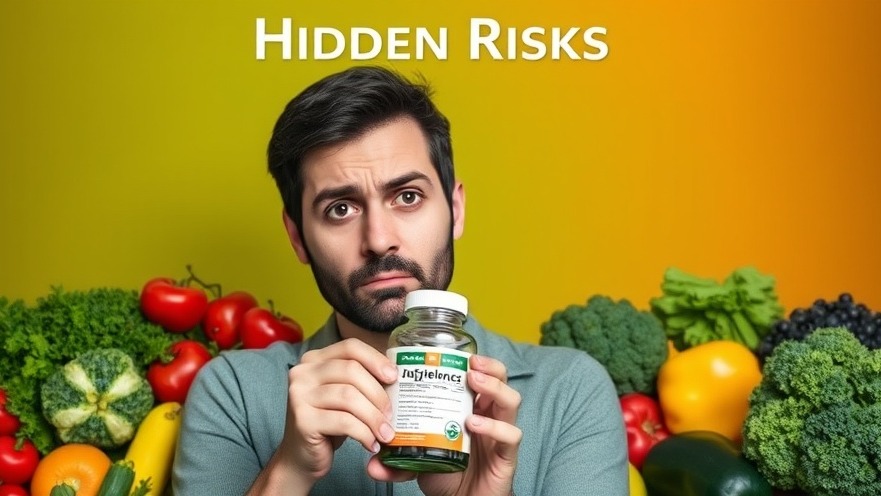
Concerned individual with supplements amid colorful fruits, highlighting folic acid dangers.


Understanding the Risks of Common Supplements.

In the world of health and wellness, supplements are often seen as an easy fix for nutritional gaps in our diet. However, many people are unaware of the potential risks associated with certain supplements. According to Dr. Fuhrman, a prominent figure in nutrition and health, two of the most concerning supplements are folic acid and vitamin A. While they may seem innocent, research points to troubling links between these supplements and increased cancer risks.


In 'Stop Taking These Supplements Without Understanding the Risks | Dr. Fuhrman,' the discussion dives into the dangers of certain supplements, prompting us to analyze the key insights further.

Folic Acid: Friend or Foe?

Folic acid, often recommended for pregnant women to prevent neural tube defects, is actually a synthetic version of folate found in leafy greens and legumes. Dr. Fuhrman highlighted studies indicating that long-term use of folic acid supplements can lead to a shocking 20-30% increased risk of breast cancer and a staggering 43% increase in all-cause cancer deaths. This is particularly alarming considering that adequate intake of natural folate from food sources can be protective against these issues.

The Surprising Dangers of Vitamin A

Similarly, vitamin A has been shown to have serious side effects when taken in supplement form. The Cochrane reviews conducted multiple trials and found that typical doses of vitamin A are linked to a 16% increased risk of mortality. Dr. Fuhrman urges that instead of reaching for supplements, we should focus on obtaining nutrients directly from whole foods, where they are accompanied by other beneficial compounds that enhance absorption.

Why Whole Foods Matter More Than Supplements

Whole foods provide a complex array of nutrients that work synergistically in ways that supplements often cannot replicate. For example, foods rich in carotenoids, which can be found in carrots and sweet potatoes, offer a variety of health benefits that a single carotenoid supplement cannot match. When individuals consume a balanced diet rich in fruits, vegetables, nuts, and seeds, they not only safeguard their health but also enhance their body's ability to absorb and utilize nutrients effectively.

Rethinking Nutritional Guidance

Dr. Fuhrman's perspective challenges the traditional recommendation of supplementing with synthetic vitamins. Instead of relying on quick fixes, he advocates for a return to dietary education—encouraging individuals to incorporate more whole foods into their diets. A recent emphasis on green vegetables is not only a fantastic source of folates but could also potentially reduce risks associated with various health conditions, including childhood leukemia and neural defects.

The Hidden Dangers of Fortified Foods

Another critical aspect discussed by Dr. Fuhrman is the issue of fortified foods. Many bread, plant milk, and even nutritional yeast products contain added folic acid, which complicates the landscape for people attempting to manage their intake. For those who are aware of these potential hazards, it becomes vital to scrutinize food labels and opt for unfortified versions of these products to prioritize natural, healthful eating.

Testimonies and Community Perspectives

Community members have shared their own experiences regarding the shift from relying heavily on supplements to embracing whole foods. One young mother expressed her struggle with adhering to supplement recommendations when she discovered that simply incorporating more leafy greens into her family's meals made a noticeable difference in their overall health. Many people in her circle echoed her sentiment, advocating for a diet that emphasizes nutrition from diverse food sources rather than isolated nutrients.

Moving Forward: Actionable Steps for a Healthier You

1. **Educate Yourself**: Learn about the nutrients that are essential for your health and how to obtain them from food. 2. **Shop Smart**: Purchase fresh fruits and vegetables that are in season. Incorporate a variety of colors to get a wider range of nutrients. 3. **Cook at Home**: Preparing meals at home allows you to control the ingredients and ensure that you are consuming natural foods, steering clear of potentially harmful additives.

The Time for Change is Now

Understanding the potential risks of common supplements can empower you to make healthier choices. While supplements may seem like an easy alternative, the natural benefits of whole foods are irreplaceable. It’s time to reassess how we view nutrition and prioritize a diet rich in fruits and vegetables.

This article is intended for informational purposes and not as medical advice. Individuals with specific health conditions should consult their healthcare provider about supplements and dietary suggestions.

Health

2 Views

0 Comments

Write A Comment

*
*
Related Posts All Posts
03.02.2026

Is Your Pain a Detox Problem? Understanding the Connection

Update Understanding Detox and Its Impact on Our Bodies Detoxification is a term that is often tossed around in the health community, but it’s essential to understand what it truly means. Detoxification refers to the body’s natural process of eliminating toxins, substances that can harm our health. While our bodies are equipped to handle many toxins, an overload can lead to various issues, including fatigue, headaches, and even chronic pain. Interestingly, if you’ve been feeling unusually sluggish or experiencing nagging discomfort, these symptoms might be your body’s way of signaling that it needs a little help in the detox department.In 'Your Pain Might Be a Detox Problem,' the discussion dives into the crucial connection between detoxification and our well-being, exploring key insights that sparked deeper analysis on our end. Your Pain: A Window into Your Health Many people misinterpret pain as merely a hindrance to their daily routine, ignoring it or suppressing it with quick fixes like pain relief medication. However, persistent pain could be a message from your body, hinting that it’s time to pay attention to your detox pathways. As we navigate our fast-paced lives, the accumulation of toxins can lead to elevated stress levels, poor eating habits, and lack of physical activity, creating a perfect storm for chronic pain and fatigue. Common Signs of Poor Detoxification Recognizing the signs of poor detoxification can empower you to take charge of your health. Common indicators include: Fatigue that persists even after ample rest Skin issues like breakouts or rashes Digestive disturbances such as bloating or constipation Frequent headaches or migraines Joint pain or muscle aches If any of these resonate with you, it might be time to reflect on your lifestyle choices. Practical Steps to Support Your Detox Process Incorporating small changes in your routine can make a significant difference. Here are three actionable tips to kickstart your detox journey: Hydrate: Water is essential for flushing out toxins. Aim for at least 8 glasses a day, and consider adding lemon for an extra detox boost. Embrace Nutrition: A diet rich in fruits, vegetables, whole grains, and lean proteins can support your liver, the body’s primary detox organ. Foods like cruciferous vegetables and antioxidant-rich berries are particularly beneficial. Stay Active: Regular physical activity enhances circulation and helps the body eliminate waste. Aim for a balance of cardio and strength training to keep your body functioning optimally. Future Perspectives on Detox Trends As wellness trends evolve, there’s a growing emphasis on holistic and sustainable approaches to detoxification. Rather than seeking extreme detox diets or quick fixes, many are advocating for a continuous lifestyle shift that prioritizes overall health. This means integrating detoxification into daily habits, rather than viewing it as a one-time event. Expect to see more people recognizing the importance of listening to their bodies and embracing practices that nurture their health in the long run. Community: Your Support System Engaging with a community that shares similar health goals can be incredibly motivating. Whether it’s through local health groups or online platforms, sharing experiences and tips can empower you to stay committed to your detox journey. After all, health is best pursued in a supportive environment! Don’t Ignore the Signs! If you're experiencing persistent discomfort, consider reflecting on your lifestyle choices and the potential role of detoxification. By understanding your body and addressing these challenges head-on, you can reclaim your health and wellness.

03.02.2026

Unlocking Your Health: Warning Signs from Heavy Periods and Anemia

Update Understanding Heavy Periods, Anemia, and Fibroids For many women, heavy periods are not just an inconvenience; they can signal deeper underlying health issues that need attention. In examining the video titled 3 Warning Signs Your Heavy Periods, Anemia, and Fibroids Are Telling You, we uncover the critical signs that our bodies communicate to us regarding menstrual health. This article delves into how heavy periods can interconnect with anemia and fibroids, beckoning us to listen to these vital signals and take charge of our health.In 3 Warning Signs Your Heavy Periods, Anemia, and Fibroids Are Telling You, the discussion dives into critical health insights, prompting deeper analysis and actionable advice. The Relationship Between Heavy Periods and Anemia Heavy menstrual bleeding, or menorrhagia, is a common issue that can lead to anemia, a condition where you lack enough healthy red blood cells to carry adequate oxygen to your body's tissues. Anemia can lead to critical fatigue, weakness, and a range of other symptoms. Therefore, recognizing if heavy periods lead to anemia can be life-changing. Some studies suggest that many women may not even realize they’re anemic until they experience severe symptoms. Being vigilant and proactive about tracking your menstrual health can enable early detection and treatment. What Are Fibroids and How Do They Relate? Fibroids are non-cancerous growths in the uterus that can affect a woman's periods significantly. While many women experience little to no symptoms, those with larger fibroids or multiple fibroids can suffer from heavy bleeding, prolonged menstrual periods, and pelvic pain. If you notice heavy bleeding combined with sharp or persistent pain, it might be advisable to consult with a healthcare professional. Historical Context: Learning From Our Mothers Many women feel intimidated when discussing menstrual health, often overshadowed by stigma that dates back generations. Women traditionally passed down tales of heavy periods and fibroids in whispers, sometimes causing younger generations to accept discomfort as 'normal.' Recognizing these conversations helps break the cycle, urging women to seek help instead of suffering in silence. Remember, it’s okay to talk about periods and the discomfort they may bring. Future Predictions: Increased Awareness and Health Trends As society becomes more health-conscious, there’s an expected rise in awareness regarding women’s reproductive health. With growing digital platforms and resources, more women are accessing knowledge about symptoms like heavy periods and their connections to conditions like anemia and fibroids. This increased awareness may lead to more women seeking preventive care and shared experiences in discussions online. Steps to Take Control of Your Health To mitigate the risks associated with heavy periods, consider the following actionable insights: 1) Keep a detailed menstrual diary to track your cycle, flow, and any pain experienced. This documentation can help your healthcare provider identify patterns. 2) Maintain a balanced diet rich in iron and vitamins to combat potential anemia. Foods like leafy greens, beans, and red meat are valuable. 3) Consult healthcare professionals for regular check-ups, especially if symptoms worsen. Early detection is critical. Common Misconceptions: Periods Should Hurt A prevalent misconception is that menstrual pain and excessive bleeding are natural and should be tolerated. In reality, while some discomfort is common, severe symptoms can indicate serious health issues. Don't allow societal norms to silence you; your comfort and health are paramount. In conclusion, being attentive to the symptoms of heavy periods, anemia, and fibroids is not just about maintaining comfort but about safeguarding overall health. By recognizing these warning signs and understanding their connections, women can take proactive steps towards wellness. Listen to your body—it speaks volumes.

02.28.2026

Are You Ignoring Critical Detox Warning Signs? Discover How to Respond!

Update Understanding the Signs of Detoxification In our fast-paced lives, we often overlook subtle cues from our bodies, particularly those that hint at the need for detoxification. The video "Are You Ignoring Detox Warning Signs?" sheds light on critical signals that might indicate the need for a cleanse. Understanding these signs is essential for maintaining our overall well-being and ensuring that our bodies are functioning optimally.The video 'Are You Ignoring Detox Warning Signs?' provides important insights into recognizing when your body needs support in removing toxins, prompting deeper reflection on how we can respond effectively. Common Warning Signs You Shouldn't Ignore People often dismiss symptoms like fatigue, headaches, or digestive issues as everyday discomforts. However, these can be signs that your body is overwhelmed by toxins. Fatigue might mean your body is struggling to filter out impurities, while persistent headaches can signal dehydration or toxicity. Recognizing these symptoms early can be the first step towards rejuvenation and vitality. The Importance of Detoxification Detoxification isn't just a trendy term; it's a crucial aspect of health that shouldn't be ignored. Our bodies naturally work to rid themselves of toxins, but modern-day exposures make it increasingly challenging. Pollution, processed foods, and stress all contribute to toxin accumulation. Detoxing can help your body reset by giving your liver and kidneys a break and sparking a return to balanced physical health. Email vs. Physical Signals Interestingly, many people overlook emotional and mental health signals too. Increased anxiety or mood swings may also suggest that your body requires a detox. Stress and unhealthy eating habits can affect your mental clarity and emotional stability. Recognizing these emotional connections can lead to a holistic approach to your health. Seeking Help and Resources When noticing these signals, consider consulting a health professional. They can provide personalized advice on detox strategies suitable for your body type and lifestyle. Whether it's adjusting your diet to include more whole foods or engaging in regular exercise, proactive steps can be transformative. Detoxing Naturally: Simple Practices If you're curious about natural detox methods, incorporating practices such as hydration, intermittent fasting, and consuming detoxifying foods can be beneficial. Foods rich in antioxidants, like berries and leafy greens, can aid your body's natural processes. Moreover, staying hydrated helps flush out toxins, making it a simple yet effective practice. Taking the First Step Towards Wellness Embarking on a detox doesn't have to feel overwhelming. Start by tuning in to your body's signals and making small changes. Whether it’s drinking more water, adding a smoothie packed with greens to your breakfast, or simply giving yourself some time to relax and recharge, each step counts. Remember, self-care is essential, and acknowledging when your body needs a break is a powerful skill to cultivate. In considering detox warning signs, it's crucial to take your body's signals seriously. The video "Are You Ignoring Detox Warning Signs?" presents vital insights into understanding these messages and taking proactive steps towards a healthier lifestyle.

Terms of Service

Privacy Policy

Core Modal Title

Sorry, no results found

You Might Find These Articles Interesting

T
Please Check Your Email
We Will Be Following Up Shortly
*
*
*