
Add Row
Add Element
cropper
update
Philly Fit Daily
update
Add Element
  • Home
  • Categories
    • Health
    • Wellness
    • Healthy Eating
    • Wellness Travel
    • Anti-Aging
    • Featured
    • Lifestyle
    • Body Fitness
    • Wellness Travel
6 Minutes Read

The Ultimate Guide to Brain-Healthy Foods

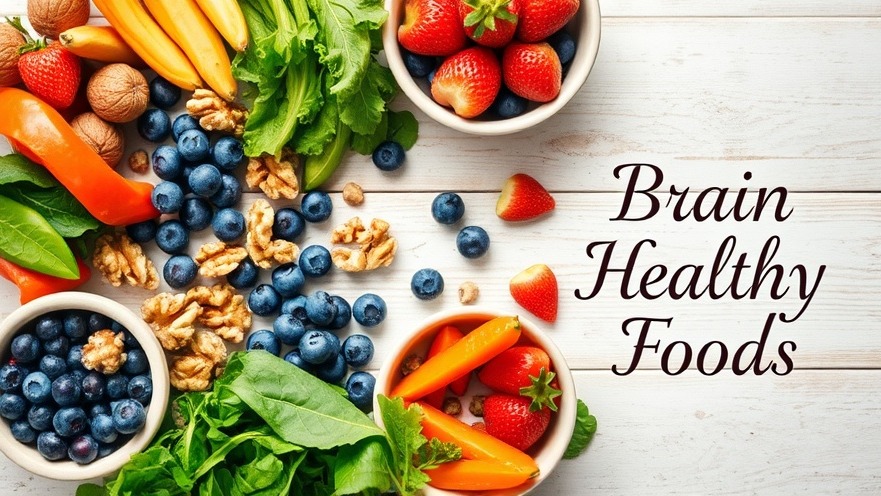
Vibrant overhead view of brain-boosting healthy foods like blueberries and walnuts.


Nourishing Your Neurons: A Neurologist's Guide to Brain-Healthy Foods

Introduction

The brain is arguably our most complex organ, requiring a delicate balance of nutrients to function optimally. As a neurologist who has spent years studying the intricate relationship between nutrition and brain health, I've observed firsthand how dietary choices can impact cognitive function, mood regulation, and even long-term neurological health. This article outlines evidence-based food recommendations that support brain health across the lifespan, from development to healthy aging.

The Neurological Basis of Nutrition and Brain Health

Before diving into specific food recommendations, it's important to understand why nutrition matters for your brain. Your brain:

  • Consumes about 20% of your body's energy despite representing only 2% of your body weight

  • Requires specific fatty acids for myelin development and maintenance

  • Depends on antioxidants to combat oxidative stress and inflammation

  • Utilizes various vitamins and minerals as cofactors in neurotransmitter production

  • Relies on proper glucose regulation for consistent energy supply

The foods we eat provide the raw materials for these essential processes. Let's explore the best options for optimal brain function.

Top Brain-Nourishing Foods

1. Fatty Fish: The Omega-3 Powerhouses

Fatty fish like salmon, mackerel, sardines, and trout are exceptional brain foods due to their high concentration of omega-3 fatty acids, particularly DHA (docosahexaenoic acid).

Neurological benefits:

  • DHA comprises approximately 40% of the polyunsaturated fatty acids in your brain

  • Essential for neuron membrane fluidity and function

  • Supports myelination—the process that insulates nerve fibers for efficient signal transmission

  • Anti-inflammatory properties that may help prevent neurodegenerative processes

  • Associated with improved cognitive performance and reduced risk of dementia

Recommended intake: At least 2 servings (8 oz total) of fatty fish weekly

2. Berries: Nature's Neuroprotectors

Blueberries, strawberries, blackberries, and other deeply pigmented berries contain powerful polyphenols called anthocyanins and other flavonoids.

Neurological benefits:

  • Cross the blood-brain barrier to directly influence brain cells

  • Potent antioxidant and anti-inflammatory properties

  • May enhance neuroplasticity—the brain's ability to form new neural connections

  • Associated with delayed cognitive aging by up to 2.5 years according to longitudinal studies

  • May improve signaling in brain centers associated with memory and learning

Recommended intake: 1/2 cup of mixed berries daily

3. Leafy Greens: Folate and Lutein Sources

Spinach, kale, collard greens, arugula, and other dark leafy vegetables provide essential micronutrients for brain health.

Neurological benefits:

  • Rich in folate, which is crucial for neurotransmitter production and DNA methylation

  • Contain lutein and zeaxanthin that accumulate in brain tissue, particularly in areas associated with memory

  • Provide vitamin K, which is involved in sphingolipid metabolism (important for brain cell structure)

  • Offer magnesium, which modulates NMDA receptors involved in learning and memory

  • Higher consumption correlates with slower cognitive decline in aging adults

Recommended intake: At least 1 cup (raw) or 1/2 cup (cooked) daily

4. Nuts and Seeds: Brain-Boosting Packages

Walnuts, almonds, flaxseeds, and chia seeds provide an excellent combination of healthy fats, protein, and micronutrients.

Neurological benefits:

  • Walnuts particularly resemble the structure of the brain and contain neuroprotective compounds including omega-3s, polyphenols, and melatonin

  • Vitamin E content helps protect neuronal membranes from oxidative damage

  • Zinc and magnesium support neurotransmitter function and synaptic plasticity

  • Regular nut consumption is associated with better cognitive function in older adults

  • Provide ALA (alpha-linolenic acid), a plant-based omega-3 that supports brain health

Recommended intake: 1-2 ounces (small handful) daily

5. Whole Grains: Sustained Brain Energy

Brown rice, quinoa, oats, barley, and other whole grains provide complex carbohydrates that fuel brain function.

Neurological benefits:

  • Release glucose slowly into the bloodstream, providing steady energy to the brain

  • Contain B vitamins essential for neurotransmitter synthesis and energy metabolism

  • Provide vitamin E with neuroprotective properties

  • Rich in fiber that supports gut microbiome diversity, which influences brain health via the gut-brain axis

  • Associated with reduced risk of cognitive decline compared to refined carbohydrates

Recommended intake: 2-3 servings daily (1 serving = 1/2 cup cooked grains)

6. Fermented Foods: Gut-Brain Axis Support

Yogurt, kefir, sauerkraut, kimchi, and other fermented foods enhance gut microbiome diversity.

Neurological benefits:

  • Support the gut-brain axis communication network

  • May influence neurotransmitter production, as many neurotransmitters are produced in the gut

  • Help reduce systemic inflammation that can affect brain function

  • Emerging research suggests beneficial effects on stress response and mood regulation

  • May help maintain blood-brain barrier integrity

Recommended intake: 1-2 servings daily

7. Olive Oil: Mediterranean Brain Protection

Extra virgin olive oil serves as a cornerstone of the Mediterranean diet, consistently associated with brain health.

Neurological benefits:

  • Rich in monounsaturated fats that support healthy blood flow to the brain

  • Contains oleocanthal with anti-inflammatory properties similar to ibuprofen

  • Provides polyphenols that may help prevent beta-amyloid plaque formation associated with Alzheimer's disease

  • Associated with preserved memory and learning ability in aging

  • Supports overall cardiovascular health, which directly impacts brain function

Recommended intake: 1-2 tablespoons daily as primary cooking oil or in dressings

8. Dark Chocolate: Cognitive Enhancer

High-cocoa content chocolate (70%+ cocoa) offers legitimate brain benefits when consumed in moderation.

Neurological benefits:

  • Contains flavanols that increase cerebral blood flow

  • Stimulates the release of endorphins and serotonin, improving mood

  • Provides a modest amount of caffeine and theobromine that can enhance alertness and concentration

  • Antioxidant properties help protect neurons from oxidative stress

  • Associated with improved working memory and processing speed in some studies

Recommended intake: 1-2 squares (about 1 ounce) of 70%+ dark chocolate daily

9. Eggs: Choline Champions

Whole eggs provide complete protein and unique nutrients beneficial for brain development and function.

Neurological benefits:

  • One of the richest dietary sources of choline, essential for acetylcholine production (a neurotransmitter involved in memory and muscle control)

  • Contain lutein and zeaxanthin that accumulate in the brain and may support cognitive function

  • Provide B vitamins, particularly B12, crucial for nerve sheath maintenance

  • Supply high-quality protein with all essential amino acids for neurotransmitter synthesis

  • May help regulate glucose metabolism, supporting consistent brain energy

Recommended intake: Up to 7 eggs weekly for most healthy adults

10. Turmeric: Anti-inflammatory Spice

This golden spice contains curcumin, a compound with remarkable brain-protective properties.

Neurological benefits:

  • Crosses the blood-brain barrier to directly affect brain tissue

  • Potent anti-inflammatory and antioxidant properties

  • May help clear amyloid plaques associated with Alzheimer's disease

  • Promotes neurogenesis (formation of new neurons) in some brain regions

  • Enhances brain-derived neurotrophic factor (BDNF), a growth hormone that functions in the brain

Recommended intake: 1/4-1/2 teaspoon daily, ideally consumed with black pepper to enhance absorption

Integrating Brain-Healthy Foods into Your Diet

Rather than focusing on individual "superfoods," research consistently shows that dietary patterns matter most for long-term brain health. The Mediterranean and MIND (Mediterranean-DASH Intervention for Neurodegenerative Delay) diets have the strongest evidence for cognitive protection.

Key principles for a brain-healthy eating pattern include:

  1. Emphasize plant foods: Make vegetables, fruits, legumes, nuts, and whole grains the foundation of your diet

  2. Choose healthy fats: Prioritize omega-3s and monounsaturated fats while limiting saturated and trans fats

  3. Limit added sugars: Excessive sugar consumption is linked to cognitive impairment and accelerated brain aging

  4. Stay hydrated: Even mild dehydration can impair cognitive function and attention

  5. Practice moderation: Even brain-healthy foods should be consumed in appropriate portions

Beyond Food: Other Factors for Optimal Brain Health

While nutrition is crucial, it's just one piece of the brain health puzzle. For comprehensive neurological wellbeing, also consider:

  • Regular physical exercise: Increases cerebral blood flow and stimulates BDNF production

  • Quality sleep: Essential for glymphatic system function (the brain's waste clearance mechanism)

  • Stress management: Chronic stress accelerates brain aging and impairs cognitive function

  • Cognitive stimulation: Learning new skills creates and strengthens neural connections

  • Social connection: Meaningful relationships provide essential cognitive and emotional benefits

Conclusion

As a neurologist who specializes in nutritional approaches to brain health, I've observed remarkable improvements in patients who adopt brain-supportive dietary patterns. The foods outlined in this article provide not just immediate cognitive benefits but may also offer protection against age-related cognitive decline and neurodegenerative diseases.

Remember that consistency matters more than perfection. Small, sustainable dietary changes can yield significant neurological benefits over time. By prioritizing these brain-nourishing foods while limiting processed foods, excessive sugar, and inflammatory ingredients, you're making an investment in your cognitive future and present-day mental performance.

This article is intended for informational purposes and not as medical advice. Individuals with specific health conditions should consult their healthcare provider about dietary recommendations.


Health

1 Views

0 Comments

Write A Comment

*
*
Please complete the captcha to submit your comment.
Related Posts All Posts
04.10.2026

Is Your Daily Diet Feeding Bad Bacteria? Discover the Truth!

Update The Hidden Impact of Everyday Foods on Gut Health Did you know that something as simple as your morning cereal could be secretly harming your gut health? In a world where we often prioritize convenience over nutrition, it’s essential to take a closer look at the foods we consume daily and understand how they affect our bodies. Unfortunately, many popular health foods contribute to the growth of harmful bacteria in our digestive systems.In 'This "Healthy" Food You Eat Daily Is Feeding Bad Bacteria,' the focus shifts to gut health and the foods that may inadvertently harm it, prompting us to explore essential insights regarding our dietary habits. Common Foods That May Feed Bad Bacteria If you’re captivated by the idea of healthy eating, you might be surprised to learn that some foods marketed as "wholesome" can actually have the opposite effect. Foods rich in sugar, refined carbohydrates, and artificial additives are common culprits. For instance, certain breakfast cereals often contain high levels of sugar, leading to an imbalance in gut bacteria. This imbalance might foster weight gain and a range of other health issues. Understanding Gut Bacteria: A Delicate Balance Our gut is home to trillions of bacteria, many of which are beneficial and essential for our digestive health. These good bacteria help break down food, synthesize vitamins, and protect against pathogens. However, the consumption of overly processed or sugary foods can proliferate harmful bacteria, disrupting this crucial balance. Why You Should Care About Gut Health Not only do our guts play a central role in digestion, but they also impact our overall health. A thriving gut microbiome can enhance immunity, improve mood, and even influence mental clarity. Conversely, an imbalanced gut may lead to conditions like inflammation, anxiety, or gastrointestinal distress. Understanding the foods that feed detrimental bacteria is essential for those interested in wellness, as it empowers us to make smarter dietary choices. Making Healthier Food Choices for Better Living If you’re concerned about your gut health, it’s time to rethink your grocery list. Opt for foods rich in prebiotics, such as bananas, onions, and garlic, which nourish beneficial gut bacteria. Fermented foods like yogurt and sauerkraut can also help restore your gut balance. By incorporating these nutritious foods into your diet, you can promote a healthier microbiome. Embracing a Balanced Diet: Practical Tips Let’s break down a few practical steps you can take to create a balanced diet for better gut health: Be mindful of sugar: Reduce your intake of added sugars found in many packaged foods. Choose whole grains: Swap refined grains for whole grains, which are full of fiber that benefits your gut. Hydrate well: Drinking water supports digestion and helps flush out toxins. Include diverse foods: Incorporate a variety of fruits, vegetables, and proteins for a well-rounded diet. Overcoming Misconceptions About Healthy Eating There’s a misconception that healthier options are tasteless or inconvenient. In reality, creating a balanced and enjoyable diet can be both fun and satisfying. Experiment with new recipes, explore different cuisines, and adjust your meals to include gut-friendly ingredients. By making cooking a shared experience, you can cultivate excitement and consciousness about what you eat. Final Thoughts: Take Control of Your Gut Health As we navigate our journey to better health, it’s vital to remain inquisitive about the food we consume. With every bite, we can either nourish our bodies or contribute to potential health issues. With this newfound awareness, let’s actively choose to support our gut health through informed food choices. Remember that making small changes can lead to significant improvements over time, setting the stage for a healthier future.

04.08.2026

Is Caffeine Sabotaging Your Wellness? Discover the Best Time to Drink Coffee!

Update Why Timing Matters: The Science Behind Coffee Consumption For many of us, a cup of coffee is the highlight of the morning. Brewing that first pot can set the tone for the entire day. Yet, new insights challenge us to reconsider not just how much coffee we drink, but when we indulge in our daily dose of caffeine. According to recent findings, the ideal time to drink coffee might not be when you first wake up. Here’s why timing matters in our coffee routine.In Never Drink Coffee at This Time, the discussion delves into the best times to enjoy coffee to maximize its benefits and minimize its drawbacks. These insights highlight the importance of mindful consumption and how small changes can lead to significant improvements in our daily wellness. The Cortisol Connection Our bodies have a natural rhythm governed by hormonal cycles, one of which involves cortisol—often referred to as the "stress hormone." Cortisol levels fluctuate throughout the day, peaking naturally between 8 am and 9 am. Drinking coffee during this peak period could reduce its stimulating effects. Instead of getting the energy boost we often seek, we might just be masking our body’s natural alertness. A better approach? Aim to sip that coffee post-10 am, when cortisol levels begin to decline, allowing caffeine to truly work its magic and enhance your alertness. Listen to Your Body: Finding Your Optimal Time Each body is unique, and so is its response to caffeine. It's essential to listen to your own signals. Some people may find that their ideal coffee time is later in the morning, while others may need a little pick-me-up in the early afternoon. Consider keeping a log for a week, noting how you feel after consuming coffee at different times. Tailoring your coffee consumption to your own energy levels can lead to a more satisfying experience. Alternatives to Coffee: Broaden Your Beverage Choices If you’re someone who craves more than just caffeine, exploring alternatives can be beneficial. Herbal teas, matcha, and even golden milk can provide a gentler form of energy. Each of these beverages comes with its unique health benefits and can often be enjoyed at any time of day without affecting your natural rhythm. The Impact on Sleep: A Future Perspective Looking ahead, consider how your coffee habits impact your sleep. According to health experts, consuming caffeine too late in the day can wreak havoc on your sleep schedule, leading to a perpetual cycle of fatigue and reliance on more caffeine. By strategically choosing when to enjoy your coffee, you have the power to break free from the sleep-caffeine treadmill and promote better overall health. Final Thoughts: Make Conscious Choices Ultimately, the way we enjoy coffee should align with our lifestyle and personal preferences. By recognizing the science behind coffee consumption and understanding the nuances of our body's responses, we can make informed choices. Whether you’re a devoted coffee drinker or just dabbling, be mindful of the timing—it could just change your relationship with this beloved beverage forever. In Never Drink Coffee at This Time, the discussion delves into the best times to enjoy coffee to maximize its benefits and minimize its drawbacks. These insights highlight the importance of mindful consumption and how small changes can lead to significant improvements in our daily wellness.

04.05.2026

Your Body’s Asking For Help: 7 Symptoms You Must Not Ignore

Update Listen to Your Body: Essential Symptoms You Shouldn't Ignore Every day, our bodies send us signals, often subtle, that indicate when something is amiss. Ignoring these symptoms can lead to larger health issues down the line. In our fast-paced lives, it can be easy to brush off discomfort or fatigue as just a part of our daily routine. However, understanding what these signals mean can empower us to take charge of our health.In 'Your body's asking for help—these 7 symptoms shouldn't be ignored,' we explore essential health signals to consider, prompting us to delve deeper into this crucial topic. Understanding Common Symptoms Some symptoms are so commonplace that we might not recognize them as signals that warrant attention. For example, persistent fatigue that doesn’t improve even after a good night’s sleep could suggest something more serious, such as anemia or thyroid issues. Similarly, if you find yourself frequently feeling out of breath after minimal exertion, it might be time to consult a healthcare professional. Building a Strong Connection with Your Body Note how your body reacts to different foods, activities, and stressors. Keeping a simple journal can enhance your awareness. Not only does this help in recognizing patterns, but it also serves as a valuable tool when discussing your symptoms with your healthcare provider. It's about harnessing the power of observation to better communicate your needs. Empowering Yourself Through Knowledge Understanding potential health complications from seemingly benign symptoms can be enlightening. For example, if you're experiencing unusual weight changes, it could indicate metabolic or hormonal issues, while frequent headaches could be linked to dehydration or even more serious conditions like hypertension. Educating yourself about these symptoms can empower you to seek appropriate care. Cultural Perspectives on Health and Wellness In many cultures, listening to the body is a fundamental principle of health and wellness. Traditional practices often emphasize a connection between the mind, body, and spirit, encouraging proactive approaches to health. By embracing these principles, we can foster a more holistic understanding of our health, going beyond just physical symptoms and embracing mental and emotional well-being. Actionable Insights: What to Do Next The next time you experience persistent or severe symptoms, take a moment to assess your overall health. Remember, addressing concerns early can lead to better outcomes. Don't hesitate to reach out to a healthcare professional. They can help interpret these signals and provide the necessary support or treatment. Feeling Well: A Shared Journey Health is a shared journey—talk to friends and family about their health experiences. They might reveal symptoms they have experienced that others have dismissed. This can build a supportive community where everyone encourages one another to prioritize health and well-being. Inspiration to Take Charge of Your Health Remember that your health is a precious resource. Prioritizing self-care and being mindful of your body’s signals can set you on a path to a healthier, more vibrant life. As health advocate and author Dr. Mark Hyman once said, "Just because you’re not visibly sick doesn’t mean you’re healthy." So let’s listen to our bodies and be proactive in our health journeys.

Terms of Service

Privacy Policy

Core Modal Title

Sorry, no results found

You Might Find These Articles Interesting

T
Please Check Your Email
We Will Be Following Up Shortly
*
*
*