
Add Row
Add Element
cropper
update
Philly Fit Daily
update
Add Element
  • Home
  • Categories
    • Health
    • Wellness
    • Healthy Eating
    • Wellness Travel
    • Anti-Aging
    • Featured
    • Lifestyle
    • Body Fitness
    • Wellness Travel
May 28.2025
4 Minutes Read

Uncovering Why the Tea Ceremony is the Wellness Ritual You Need

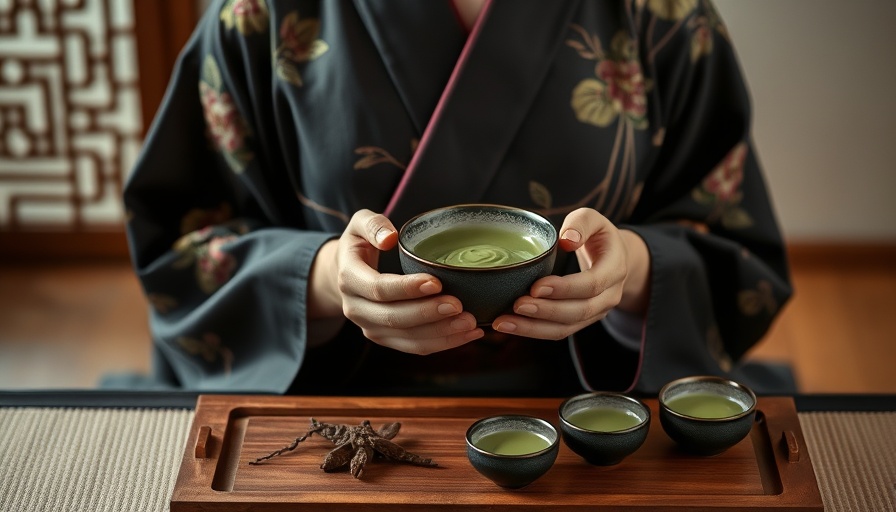
Intricate tea ceremony setup, woman with matcha, floral kimono


Time to Slow Down: Finding Peace in Tea Ceremonies.

In an age dominated by endless notifications and the perpetual rush of modern life, the act of slowing down can feel revolutionary. Perhaps it’s time to embrace the age-old ritual of the tea ceremony, a practice that transcends mere sipping to encompass mindful presence. Whether set in a minimalist tea room in Kyoto or a chic café in London, this humble act invites us to pause, savor, and reconnect with ourselves amidst chaos.

The Essence of the Tea Ceremony: More Than Just Drinking

Tea ceremonies are not simply about enjoying a beverage; they embody a philosophy centered in slowness, intention, and connection. As we brew our tea, it’s an opportunity to do more than drink—it’s an invitation to interact with warmth and awareness. It’s a time to breathe deeply, appreciate the present, and engage in a mindful moment.

This paradigm shift is essential in our overstimulated lives. By focusing on the ritual rather than the drink, we rediscover the art of being present, recognizing that the wellness aspect lies not in the tea but in how we approach it.

Tracing the Roots of Tea: A Cultural Journey

The origins of tea trace back to ancient China, where it evolved into a daily ritual of significant cultural importance. By the Tang Dynasty, tea was no longer just a medicinal herb; it had transformed into an intricate art form, celebrated for its transformative qualities.

The Japanese further refined this practice into chanoyu, emphasizing simplicity, nature, and inner calm. As the tea ceremony journeyed across continents, from Asia to Europe, it carried with it a deeper philosophy—an ethos of mindfulness encapsulated in every gentle sweep of the wrist and every quiet sip.

Tea: A Wellness Ally

Long before tea became synonymous with wellness trends, it was woven into the daily fabric of many cultures. Rich in antioxidants and calming compounds, different teas offer various health benefits. For instance, green tea is renowned for boosting mental clarity and metabolism, while herbal blends like chamomile promote relaxation and digestion.

However, the true essence of tea encompasses more than physical health. Preparing tea—measuring, brewing, and reveling in the aromatic steam—serves as a dynamic meditation that cultivates space for self-reflection and peace. By crafting your own tea rituals, you create opportunities to reset your day and nurture your mental well-being.

Global Perspectives: Ten Inspiring Tea Ceremonies

While specific practices may vary worldwide, the core intention remains unchanged—the key to tuning into presence and purpose. Here are ten diverse tea ceremonies that invite you to sip with intention:

  1. Gongfu Cha (China): This intricate ceremony, translating to 'making tea with skill', demands unwavering attention. Every step from steeping to pouring represents a dance of mindfulness.

  2. Chado (Japan): Emphasizing harmony, respect, purity, and tranquility, this ritual serves both as an artistic expression and a spiritual experience.

  3. Afternoon Tea (UK): A more relaxed interpretation that invites companions to unwind over cups of tea, finger sandwiches, and delightful pastries.

  4. Bhutanese Butter Tea: Known as 'suja', this warming blend emphasizes nourishment and hospitality, uniting communities in its preparation.

  5. Thai Tea Ceremony: With rich flavors and complex blends, this ceremony celebrates the fusion of culture, humor, and tactility.

Each experience serves not just as a beverage but as an invitation to pause, reflect, and engage in intentionality—a reminder of the power of connection.

Creating Your Own Tea Ritual: Steps to Mindfulness

You don't need a formal setting to craft your tea experience; simply starting at home can be just as fulfilling. Consider creating a morning routine devoid of distractions—allow time to appreciate your surroundings alongside each sip. Perhaps you initiate a mindful midday break or integrate a calming night ritual with ambient lighting and soothing music.

The key here is consistency and presence. Let your tea time establish itself as a peaceful interlude, providing a gentle reminder to tune in rather than check out.

The Journey of Slow Living

Ultimately, the tea ceremony teaches us that life's beauty resides in the small moments. Through mindfulness, reflection, and the ritualistic aspect of tea drinking, we step away from the compulsive urge to rush. We find solace and connection not just within ourselves but also with others, slowly savoring each moment. In embracing the slow, we navigate toward holistic wellness.

Make Wellness a Daily Choice

So, why not take a moment today to brew yourself a cup of tea? Engage fully in the process, from the water’s boil to the gentle stirring. Breathe in the aromatic warmth, let the moment wash over you. By appreciating the journey, we participate not just in a tea ceremony but in a wellness ritual that can profoundly change our lives. Take the time to make this conscious choice—your mind and body will thank you.


Wellness

1 Views

0 Comments

Write A Comment

*
*
Please complete the captcha to submit your comment.
Related Posts All Posts
04.16.2026

How Morning Yoga Can Energize Your Day: Vinyasa Meets Yin

Update Start Your Day Right with Morning Yoga Starting your day with yoga is not just a practice; it's a holistic ritual that sets a positive tone for the hours ahead. Engaging in yoga first thing in the morning can energize the body, awaken the mind, and foster a sense of calm that lasts throughout the day. In today's fast-paced world, carving out time for a practice that blends activity with mindfulness can be a transformative experience.In '40 min Full Body Morning Yoga - Active Vinyasa + Deep Yin Stretch', the instructor emphasizes the blend of active and restorative yoga, highlighting key insights on how this practice can enhance your wellbeing. Exploring the Vinyasa-Yin Balance: A Perfect Combination The Vinyasa-Yin yoga approach offers practitioners a blend of strength and flexibility. Vinyasa yoga incorporates flowing movements that engage and activate, preparing the body for deeper stretches and restorative poses that come with Yin yoga. In a recent session, participants transitioned from dynamic mountain poses into deep stretches, highlighting the importance of moving with intention while allowing the body to relax into each position. Benefits of a Structured Morning Yoga Routine Engaging in yoga in the morning enhances physical wellness and promotes mental clarity. Morning yoga can improve flexibility, elevate mood, and enhance focus. The combination of stretching and breathwork stimulates circulation, nourishes organs, and promotes better digestion. Moreover, developing a routine around this practice fosters discipline and commitment to personal health. Mindfulness and Meditation: Setting Intentions for the Day One of the most impactful aspects of morning yoga is its emphasis on mindfulness. By taking a few moments to meditate and reflect at the end of a session, participants can set their intentions for the day. This can lead to enhanced emotional regulation and stress management, making it easier to navigate challenges throughout the day. In a recent practice, the instructor encouraged participants to repeat the affirmation, “I move my body because I enjoy the vitality it brings me,” reinforcing the connection between physical movement and mental vitality. The Journey to a More Flexible You For those just beginning their yoga journey, the practice may seem daunting. However, yoga is about listening to one's body and accepting each individual's pace. As shared in the morning yoga class, even the most complex poses can be modified to suit various skill levels. This inclusivity allows everyone, from beginners to seasoned practitioners, to enjoy the benefits of yoga without feeling overwhelmed. Creating a Healthy Morning Routine with Yoga If you’re contemplating incorporating yoga into your morning routine, start gradually. Devote just 10-15 minutes to practice some basic poses each morning. As you begin to feel comfortable, gradually increase your timing or try different poses to challenge yourself. There are numerous online resources, including many available free sessions, perfect for exploring yoga at home. Overcoming Common Misconceptions About Yoga Many people may think that yoga is only for the young and flexible, but that couldn't be further from the truth. Yoga is accessible to individuals of all ages and backgrounds. It’s not just about achieving the 'perfect pose' but rather engaging your body in a way that feels good for you, and this has immense health benefits regardless of flexibility or strength level. Final Thoughts: Embrace the Yoga Lifestyle Embracing a morning yoga practice can be a life-changing decision, fostering a sense of well-being that extends beyond the mat. Not only does it create a space for physical movement, but it also cultivates emotional resilience and mental clarity. Whether you’re looking to enhance your fitness routine or simply seeking a moment of peace, morning yoga could serve as the key to unlocking your best day ahead. To discover the joys of yoga, consider participating in an online session today. Engage with your body, quiet your mind, and breathe in the vitality it brings.

04.10.2026

Transform Your Office Routine: Yoga for People Who Sit All Day

Update Revitalize Your Body: Yoga for Those Who Sit All Day In today’s fast-paced lifestyle, many individuals spend the majority of their day sitting—whether at a desk, in a car, or on the couch. The sedentary nature of our work and leisure time can lead to several health issues, including back pain, tight muscles, and fatigue. To counteract these effects, yoga emerges as a perfect antidote. A recent video session titled Yoga for People Who Sit All Day dives into effective techniques to relieve tension and rejuvenate your body.In Yoga for People Who Sit All Day, the discussion dives into effective yoga practices designed to alleviate the discomfort of prolonged sitting, exploring key insights that sparked deeper analysis on our end. Understanding the Impact of Sitting The human body is designed for movement, and extended periods of sitting disrupt our natural physical alignment. When we sit for long hours, we may experience restricted circulation and weakened muscles, particularly in the legs and core. This poses a big concern not only for workplace productivity but also for our overall health. Yoga helps to address these issues with gentle movements designed to stretch and strengthen muscles, alleviate discomfort, and restore energy levels. Engaging in even short routines can enhance flexibility and promote better posture, making a significant difference in how we feel each day. Key Benefits of Yoga for Sedentary Lifestyles Regular practice of yoga can yield a multitude of benefits, especially for those who are frequently seated. Here are the main advantages: Improved Flexibility: Regular stretching helps loosen tight muscles, particularly in the back, hips, and shoulders. Better Posture: Yoga teaches body awareness, encouraging proper alignment of the spine and reinforcing good posture habits. Stress Reduction: Many yoga practices incorporate mindfulness and breathing exercises that ease tension and anxiety. Enhanced Mind-Body Connection: Yoga fosters a greater awareness of the body and its needs, promoting a holistic approach to health. A Quick Routine You Can Do Anywhere The video provides a simple routine that can be performed almost anywhere, making it accessible for all. As demonstrated, it begins with a gentle rocking motion to awaken the feet and legs. Incorporating movements like forward bends and gentle twists, this routine focuses on releasing tension from the low back and stretching key muscle groups. Here’s a quick summary of some poses highlighted in the session: Forward Fold: This pose offers a deep stretch for the hamstrings and lower back, essential for releasing tension built from prolonged sitting. Garudasana Arms (Eagle Arms): This unique arm position enhances upper back flexibility while providing a calming effect. Standing Poses: Standing balances not only strengthen the legs but also promote a sense of stability. Incorporating Yoga into Your Daily Routine Whether you work from home or in a traditional office, incorporating yoga into your daily routine can be simple and beneficial. Start with just a few minutes each day. Allocate time in the morning to energize your body or take breaks during the workday to stretch. Keeping a yoga mat handy at your desk means you can practice anytime you feel tension rising. Additionally, consider participating in group classes, either virtually or in-person, to foster a sense of community and motivation. You could also invite coworkers to join you for a short daily practice, creating a supportive environment for wellness. Final Thoughts: Your Journey to Wellness Starts Now Yoga is not just for seasoned practitioners; it’s a practice for everyone. By engaging with simple yoga routines, especially designed for those who spend considerable time sitting, you can cultivate a healthier lifestyle. And remember, every little bit counts! Take that first step towards a more active day, and embrace the transformations that come with it. Start your journey to improved well-being by incorporating the insights and movements from Yoga for People Who Sit All Day into your life. Your body will thank you for it!

04.09.2026

30 Minute Power Yoga with Weights: Transform Your Fitness Journey

Update Discover the Transformative Power of Weights in Yoga Yoga has long been recognized for its numerous physical and mental health benefits, promoting flexibility, strength, and mindfulness. However, blending traditional yoga practices with weights has become increasingly popular, offering a unique way to enhance your fitness routine. This innovative approach to yoga not only amplifies the physical challenge but also engages the body in a way that increases strength and muscle tone. In this article, we explore the intriguing concept of yoga with weights, inspired by the highly requested video class hosted by Cassandra, a long-time fitness enthusiast.In the video '30 min Power Yoga with Weights - Dumbbells Yoga Workout,' Cassandra explores the exciting integration of weights into traditional yoga, prompting this analysis of its potential benefits. A Deep Dive into the Practice of Iron Yoga Cassandra's 30-minute workout session, dubbed "Iron Yoga," effectively combines weighted exercises with classical yoga flow. While many might assume that adding weights makes yoga overly strenuous or inaccessible, this practice can actually cater to a wide range of fitness levels. As suggested by Cassandra, using light weights—typically around 5 lbs or even makeshift weights like cans of soup—can aid beginners while still being challenging for seasoned practitioners. Why Weights? The Science Behind the Fusion The integration of weights into yoga routines engages more muscle groups simultaneously, thereby stimulating both strength and flexibility improvements. Research suggests that incorporating resistance training into workouts can enhance muscle strength, increase bone density, and elevate metabolic rates. This hybrid practice not only fortifies the body but also elevates core strength, which is crucial for maintaining stability and balance during various yoga poses. Common Misconceptions: Weights and Yoga There is a common misconception that yoga is solely focused on stretching and that weights are only for strength training. Integrating weights into yoga doesn't detract from its essence; rather, it enhances the experience, fostering a deeper awareness of body alignment and posture. As Cassandra demonstrates, each movement is deliberate, pushing practitioners to be mindful of their form and breath. This synergy encourages a holistic approach to fitness, blending the benefits of both strength training and mind-body connection. User-Friendly Tips for Starting Yoga with Weights For those intrigued by the idea of incorporating weights into their yoga practice, starting with the right mindset and tools is vital. Here are some user-friendly tips: Select Appropriate Weights: For new practitioners, starting with 2-3 lb weights is advisable to prevent injury and promote proper form. Focus on Form: It’s essential to prioritize correct posture and alignment over the amount of weight lifted to fully benefit from the practice. Incorporate Breathing Techniques: Engage your breath to maintain control and consistency throughout the workout, promoting mindfulness. Vary the Workouts: Try out weights in different yoga poses to target various muscle groups and keep the routine dynamic and engaging. Ready to Take Action? Join the Movement! If you're curious about trying out yoga with weights, why not start today? With Cassandra's class as a motivating example, embark on your journey to explore the blended practice that fusion workouts can offer. Embrace the challenge, connect with your body, and unlock new fitness levels through this rewarding discipline. Remember, whether you choose to use weights or not, there’s tremendous value in any yoga practice; make it your own. Conclusion: The Future of Fitness As we grow more aware of diverse workout methodologies, the fusion of yoga and weights stands out as an exciting opportunity to elevate our fitness journeys. With proven benefits for strengthening and toning, this innovative approach invites individuals of all skill levels to experience the remarkable attributes of yoga in new, fulfilling ways. So roll out your mat, grab some weights, and feel the transformation of energy that comes with this powerful practice.

Terms of Service

Privacy Policy

Core Modal Title

Sorry, no results found

You Might Find These Articles Interesting

T
Please Check Your Email
We Will Be Following Up Shortly
*
*
*