
cropper
update
Philly Fit Daily
update
  • Home
  • Categories
    • Health
    • Wellness
    • Healthy Eating
    • Wellness Travel
    • Anti-Aging
    • Featured
    • Lifestyle
    • Body Fitness
    • Wellness Travel
April 21.2025
3 Minutes Read

What I Learned From a Year Without Alcohol: Transformative Insights

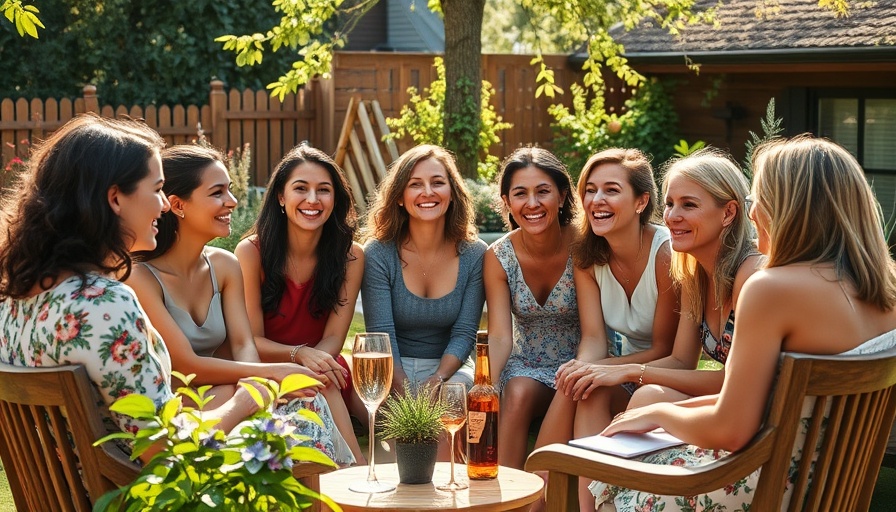
Life without alcohol: friends enjoying a garden gathering.

The Transformative Power of Sobriety: A Journey Worth Sharing.

In a world where social gatherings often revolve around drinks, taking a break from alcohol can feel like a monumental decision. For many, it becomes an experiment that reveals unexpected insights about their relationship with alcohol and themselves. This was the case for one individual who embarked on a year-long journey to explore life without alcohol, after initially setting out to complete just 30 days.

Breaking Free from Norms: The Initial Challenge

The path began with what seemed to be a straightforward plan—a 30-day detox. This decision stemmed from an overwhelming urge to reset after a chaotic period marked by stress and emotional upheaval. Little did this individual realize that this initial step would lead to profound changes, not just physically but emotionally and mentally as well.

At first, the struggle was real. For someone accustomed to having a drink after work or during social events, abstaining felt oddly isolating. The absence of a glass in hand turned routine gatherings into moments of discomfort. Yet, as the days passed, that discomfort blossomed into an unparalleled awareness of one's own needs.

Unpacking the Benefits: Beyond the Glass

Throughout the year without alcohol, several unexpected benefits emerged:

  1. Heightened Self-Awareness: A primary realization was how alcohol clouded decision-making. Without its influence, a deeper voice emerged, guiding towards genuine needs—whether it was rest, social connection without pressure, or simply quiet time.

  2. Rethinking Identity: The journey brought forth the understanding that identity doesn’t rely on a drink in hand. Enjoyment in social settings shifted from alcohol-fueled interactions to genuine connections based on shared experiences devoid of haze.

  3. Health Improvements: Perhaps the most noticeable change was in physical health. Clearer skin, improved energy levels, and a newfound zest for life were striking indicators that the body thrived without alcohol.

Social Dynamics: The Shift in Social Interactions

One of the most significant realizations involved the impact on social relationships. Initially, there was a concern about feeling excluded or judged in social situations where drinking was the norm. Yet, as confidence grew, so did the ability to advocate for sobriety. The exciting part? Conversations deepened and became more meaningful, free from the slur of drunken banter.

Advice for Others Considering a Similar Path

If you're contemplating a break from alcohol, here are some insightful tips based on firsthand experience:

  1. Start Small: Like any habit change, begin with a short period and gradually extend the duration as you feel comfortable.

  2. Seek Support: Connect with communities, whether in person or online, that celebrate sobriety. Knowing others share the same journey can provide much-needed encouragement.

  3. Redefine Fun: Explore enjoyable activities that don’t revolve around drinking. This could be hiking, attending workshops, or simply enjoying a movie night with friends.

Emotional and Mental Clarity: A Lasting Legacy

Ultimately, choosing a sober lifestyle revealed more than just improvements in physical health; it illuminated the path to emotional clarity and mental peace. Days spent recovering from night outs were replaced with mornings of vibrant energy. With every passing month, the foggy remnants of confusion faded, replaced by a vivid awareness of self and surroundings.

Conclusion: Embracing a Healthier Future

As the year concluded, the realization dawned that a life without alcohol doesn't equate to a loss of enjoyment but rather enhances the experience of life itself. One learns to relish the moment—building lasting connections, enjoying life authentically, and fostering well-being without relying on substances.

This journey emphasizes that breaking free from alcohol can lead to profound self-discovery and fulfillment. It invites others to reflect on their relationship with alcohol and consider how life might transform if viewed through a sober lens.

Wellness

0 Views

0 Comments

Write A Comment

*
*
Please complete the captcha to submit your comment.
Related Posts All Posts
04.29.2026

Unlock Your Potential with Gentle Yoga for Flexibility & Relaxation

Update Embrace Flexibility: The Gentle Yoga Revolution For anyone looking to enhance their overall well-being, gentle yoga centered on flexibility and relaxation is becoming increasingly popular. Taught by Cassandra in the recent video, 30 min Gentle Yoga for Flexibility & Relaxation, this practice offers a holistic approach that transcends mere physical exercise. Whether you’re a seasoned yogi or new to the practice, this routine invites you to explore the physical and mental benefits associated with mindfulness and gentle mobility.In '30 min Gentle Yoga for Flexibility & Relaxation', the discussion dives into the importance of accessibility in yoga, exploring key insights that sparked deeper analysis on our end. Why Flexibility and Relaxation Matter Flexibility enhances not only physical health but also mental wellness. In today's fast-paced life, where stress often weighs heavily on many, learning to unwind and stretch can provide significant benefits. Greater flexibility leads to improved posture, reduced tension, and an overall increase in mobility, making daily activities easier and more enjoyable. Importantly, this practice isn’t just about body flexibility; it addresses the mind’s rigidity as well, emphasizing the importance of actively letting go of stress and allowing oneself the permission to relax, a vital skill in today’s relentless world. A Gentle Approach to Yoga for All One of the most appealing aspects of Cassandra’s gentle yoga practice is its accessibility, accommodating all experience levels. As she highlights in her session, you don’t need fancy props to participate—simple objects like blankets or pillows can easily take the place of traditional yoga blocks, making it inclusive for everyone. This adaptive approach allows individuals to work at their own pace, cultivating an environment of self-kindness and acceptance. Creating a Mindful Space The emphasis on creating a mindful space during the session further reflects the comprehensive benefits of yoga. By encouraging participants to close their eyes and focus on their breathing, Cassandra facilitates an opportunity to dive deeper into mindfulness. This aligns perfectly with current trends towards mental wellness and self-care practices, urging individuals to dedicate time to personal restoration. Future Predictions: The Rise of Inclusive Yoga As the conversation around health and wellness continues to evolve, the future lies in inclusive practices that acknowledge diverse needs. The rise of gentle yoga reflects a broader shift in the fitness industry, as people seek practices that promote community wellness while being considerate of personal limitations. Expect to see more variety in yoga offerings, including options that focus on relaxation, mobility, and mental ease. Stretching Beyond the Mat The lessons learned from gentle yoga sessions extend beyond the mat. Incorporating short, regular breaks to stretch throughout the day can combat stress and tension that accumulate from prolonged sitting at desks or electronic devices. Practicing awareness of one’s body and breath during these intervals can serve as a reminder of the importance of self-care. Practical Tips to Enhance Your Gentle Yoga Experience Set the Right Environment: Create a calming space for your yoga practice. Dim the lights, add soothing scents, and eliminate distractions to enhance your focus and relaxation. Be Patient with Yourself: Understand that flexibility is a gradual process. Acknowledge your progress while being kind to yourself during challenging poses. Incorporate Visualization: Use your breath to visualize letting go of stress and tension, deepening your relaxation experience. Deepen Your Breathing: Focus on diaphragmatic breathing to maximize lung capacity, calming your nervous system. Conclusion: Join the Gentle Yoga Movement If you’re seeking a more flexible and relaxed version of yourself, consider integrating gentle yoga into your daily routine. Not only does it activate your muscles, but it also soothes the mind and spirit, offering a perfect antidote to stress. As Cassandra beautifully illustrates in her practice, dedicate this time to yourself, and embrace the journey of relaxation and flexibility. Remember to cherish the moments spent caring for your own well-being. Taking small steps can lead to significant changes over time, and gentle yoga could be the starting point on your path to a more balanced life.

04.23.2026

Reclaiming Calm: How Yoga Helps When You Are Overstimulated

Update Finding Calm: The Importance of Yoga When Overstimulated In our fast-paced world, feelings of overstimulation have become all too common. Whether from an overwhelming workday, constant notifications from our devices, or even bustling city environments, we often find ourselves longing for a moment of peace. That's where yoga comes in. In the recent video, Yoga For When You Are Overstimulated, Adriene guides us through gentle positions that help ground our bodies and calm our minds. This soothing practice not only helps to alleviate stress but also invites us to reconnect with ourselves through deep breathing and mindful movements.In Yoga For When You Are Overstimulated, the discussion dives into calming yoga practices, exploring key insights that sparked deeper analysis on our end. The Benefits of Mindfulness in Motion Yoga is not just a physical practice; it's also a mental healing space. Engaging in slow and deliberate movements encourages mindfulness. As Adriene demonstrates, even something as simple as bringing your palms together can create a sense of inner peace. The act of focusing on your breath while moving helps quiet the mind. This mindful approach is a crucial tool for anyone looking to reduce anxiety, find balance, and tune into their body. Creating Space for Yourself: Tools and Techniques Adriene emphasizes the use of props—whether it’s a bolster, blanket, or just the ground beneath you. These tools provide support and help you to feel more comfortable in your body while practicing. It's a gentle reminder that it's okay to ask for help, even from inanimate objects, as you navigate your own personal journey. When practicing at home, creating a designated space for yoga and relaxation can further enhance this experience. By setting aside a spot in your home to breathe and stretch, you're signaling to yourself that it's time to slow down and reset. Finding Your Rhythm: The Role of Breath in Yoga Breathing is a central theme throughout yoga, especially in moments of overstimulation. Focusing on your breath allows you to reclaim your nervous system and create a sense of calm. The gentle rhythms of inhaling and exhaling, as explained in the video, guide your movements, allowing for a connection between mind and body. Practicing this kind of breath awareness can lead to improved emotional regulation and a clearer mindset, making it easier to navigate life’s challenges. How Yoga Helps Rebalance the Nervous System Chronic overstimulation can lead to a constant state of stress that affects our nervous system. Incorporating yoga into your routine provides a proactive approach to managing stress. As we move through poses like gentle twists and forward folds, we not only enhance flexibility but also engage the parasympathetic nervous system, promoting relaxation. The more consistently we practice, the better we become at handling stress in our everyday lives. Real-Life Applications and Insights Reflecting on my own experiences, I’ve found that after just a few minutes of focused yoga, I can transform my mood. Whenever I start to feel overwhelmed or overstimulated, even a quick 10-minute session can make a significant difference. For students, busy professionals, or anyone managing multiple responsibilities, taking that time can seem daunting, but the benefits of even short practices are undeniable. Adriene's gentle approach of ease and patience demonstrates that yoga can be tailored to fit your unique needs and abilities. Conclusion: A Call to Embrace Your Practice As we continue to explore the impact of yoga on our well-being, I encourage you to try practicing the techniques shared in Adriene's video during your next episode of feeling overstimulated. Remember, you don't need to perfect every pose; it’s about finding peace and balance in your body. So, roll out your mat, find your center, and let the gentle guidance of yoga help you stitch moments of tranquility into your busy life. Embrace the journey and discover the profound benefits of this ancient practice. If you are eager to experience these calming benefits, I invite you to find a cozy spot and dive into your own yoga practice. Namaste.

04.22.2026

Discover the Transformative Power of Hands-Free Yoga for Your Morning

Update Embrace a Hands-Free Yoga Routine for Mindfulness and Strength Good morning everyone! Starting the day with a positive mindset can set the tone for the hours ahead. This morning, I'm excited to share an empowering hands-free yoga practice that focuses on strengthening the body while being kind to our wrists and arms. Let's explore how this approach allows anyone, regardless of their fitness level, to enjoy the benefits of yoga without the strain of weight-bearing poses.In '10 min Morning HANDS FREE - Full Body Stretch & Strengthen (no planks, or downward dog)', the focus is on accessible movement without typical weight-bearing poses, inspiring us to explore its benefits further. Understanding the Hands-Free Approach The hands-free yoga class, led by instructor Cassandra, emphasizes accessibility for everyone—especially those with wrist sensitivities or looking to avoid pressure on their hands. This unique practice keeps participants balanced and flexible by focusing on strength and mobility throughout the body without the need for traditional poses like downward dog or planks. Setting Intention: An Essential Element Cassandra begins the session encouraging everyone to set a personal intention for the day. This mindfulness technique is crucial for fostering a positive mindset. Whether it’s joy, gratitude, or simply a commitment to be present, aligning your movements with your intention adds depth to your practice. Rather than just going through the motions, this approach invites us to reflect on what we want to cultivate in our daily life. Benefits of the No-Weight Practice By avoiding planned weight-bearing poses, participants can cultivate strength, flexibility, and balance without discomfort. This practice promotes larger muscle engagements while allowing other muscle groups to take breaks. It's particularly beneficial during busy mornings as it requires minimal setup. Finding a comfortable kneeling position allows you to engage in gentle stretches that create a sense of grounding and openness—even before tackling the day's tasks. Just Breathe: The Power of Breath in Yoga As we proceed through each pose—from seated cat-cow to gentle twists and extended stretches—breath plays a critical role in building a connection between body and mind. Deep inhalations fuel energy throughout the movements, while slow exhales enhance relaxation. This rhythmic breathing not only aids flexibility but also establishes a serene space for self-care, which can be carried throughout the day. Incorporating the Practice into Your Routine The beauty of the hands-free morning class is its adaptability. You can incorporate short sequences into your daily routine. Even a few stretches at your desk can provide relief and rejuvenation, breaking up long periods of sitting. Try engaging with the gentle movements and stretches at any time during your day, whether it's a lunch break or first thing in the morning to ease into a new day. Real-Life Testimonials: What Others Are Saying Many participants of hands-free yoga report feeling less tension and more mobility. One participant mentioned, “I appreciate being able to enjoy yoga without the worry of wrist pain. It’s liberating!” The positive feedback showcases the community-building element of this practice, as it welcomes newer practitioners who may feel intimidated by traditional yoga classes. Inspiring Quotes to Carry with You As we reflect on the value of morning routines, it’s meaningful to remember quotes that inspire us: “The mind is everything. What you think you become.” – Buddha This quote serves as a reminder that cultivating a positive outlook can shape our experiences throughout the day. Pair it with your personal intention, and you’ll be ready to lift your spirits and embrace your day. Moving Forward: Join the Hands-Free Movement The hands-free yoga practice is not just a routine; it's a powerful decision to prioritize your well-being. Consider joining a class or finding resources for at-home guidance like Cassandra's hands-free classes featured online. They promote a healthy lifestyle that’s both enriching and motivating. So why not give this encouraging routine a try? Incorporate moments of mindfulness and strength into your day with these accessible practices. And don't forget—connections fostered in these classes stay with you. Embrace this type of yoga as not just a series of stretches, but a community and personal journey.

Terms of Service

Privacy Policy

Core Modal Title

Sorry, no results found

You Might Find These Articles Interesting

T
Please Check Your Email
We Will Be Following Up Shortly
*
*
*